
Buying · Resources · Utah
New construction vs. older homes: which one is right for you?
Same price, two very different homes. The question isn't "should I buy new or used?" — it's which home gives you more of what actually matters to you.
You walk into a brand-new model home. The kitchen is perfect. The carpet has never been walked on. The furnace, roof, appliances—everything is new.
Then you tour an older home five minutes down the road. Same price. But this one has a finished basement, mature trees, a fenced backyard and RV parking.
Now which one is the better deal?
That's where buying a home can get confusing. Because the question isn't really: "Should I buy new or used?"
The better question is: "Which home gives me more of what actually matters to me?"
Let's figure that out.
The new build
Why buyers love new construction
The appeal of a new home is pretty easy to understand. It's new. You aren't immediately wondering how many years are left on the furnace or whether you'll need a new roof soon. You're starting fresh.
New homes also tend to be designed around the way families live today—open kitchens, larger primary bedrooms, walk-in closets, more storage and layouts that generally make better use of the space.
And depending on the builder and current market, there may be another big advantage:
Builder incentives. You might find help with closing costs, financing incentives, upgrades or other promotions. That can make a new home look pretty attractive.
But there's one question I want you to ask before deciding:
Before you fall in love
What's not included?
Imagine you've found a brand-new $500,000 home. It looks finished. But after closing, you realize you still want:
Suddenly the $500,000 house isn't really the end of your spending.
That's not necessarily a reason not to buy it. It's simply something you should know before you do.
Because the goal isn't just to find a home you can buy. It's to find a home that works for your life after you buy it.
The other side of the street
That's where existing homes get interesting
Now let's look at another $500,000 house. It's 15 years old. The kitchen isn't quite as modern. There are a few walls you'd probably repaint.
But someone has already finished the basement. The yard is landscaped. There's a fence. The trees are mature. There's a patio out back and room to park the trailer.
Those things have value too. The previous owner has already spent the money—and lived through the projects—to put them there.
So instead of asking: "Which house is newer?"
Ask: "Which house gives me more of the things I would eventually pay to add anyway?"
That's a very different question.
The honest tradeoff
Of course, there's a tradeoff
An older home comes with uncertainty too. The roof isn't new anymore. Neither is the furnace. The water heater might be getting older. There could be repairs or maintenance coming that you need to prepare for.
That's why an inspection and good due diligence matter.
And by the way— I'd recommend an inspection on the brand-new house too. New doesn't mean perfect. People build houses, and people make mistakes. I'd rather discover an issue before closing than after you're unpacking boxes.
Side by side
Here's how I would compare two homes
Let's make this simple. You're looking at two $500,000 houses.
Home A
The brand-new build
Brand new. Beautiful kitchen. Modern floor plan. New roof, HVAC and appliances. Possible builder incentives.
But the basement is unfinished, the backyard isn't finished and there's no fence.
Home B
The 15-year-old home
Fifteen years old. The kitchen isn't quite as impressive.
But it has a finished basement, fenced and landscaped backyard, mature neighborhood and RV parking.
Which one would you choose? There's no correct answer. Because I haven't told you the most important part yet:
What does your family need?
Maybe you're busy and the thought of replacing a furnace in a few years stresses you out. You want new, simple and low-maintenance. Home A may be perfect.
But maybe you have kids who need another bedroom. You have a dog. You own a trailer. And you'd rather spend Saturday with your family than installing a fence. Home B might win by a mile.
Same $500,000. Completely different value.
Beyond the finishes
Don't let the kitchen make the decision for you
This is where buyers can get into trouble. Model homes are designed to make you fall in love. And they're very good at it.
But when you're making one of the largest purchases of your life, we need to look beyond the kitchen. Ask yourself:
Those answers tell me far more about the right house for you than whether the countertops were installed six months ago or six years ago.
Read the whole deal
And don't get distracted by an incentive
A builder offering a financing incentive can be a very good thing. Sometimes it can make a meaningful difference in your payment. But we still need to understand the entire deal.
If one home comes with a great financing incentive but you'll spend tens of thousands of dollars finishing things over the next several years, we should know that. If another home costs slightly more each month but already has the basement, yard and improvements you need, we should know that too.
We're not trying to find the best promotion. We're trying to find the best home for you.
Know who's on your side
There's one more thing buyers should know about new construction
When you walk into a model home, the person working there can be incredibly helpful. But they work for the builder. The builder is their client. Not you.
That's why having your own real estate agent involved can matter.
My job isn't to convince you to buy the builder's house. And it's not to convince you to buy the older house down the street. My job is to help you understand both choices well enough that you can confidently decide which one makes sense.
And it's best to have that conversation before you start registering with builders or signing paperwork.
The answer
So which should you buy?
If you're still expecting me to say new construction or existing— I'm not going to. Because I don't know enough about you yet. Instead, I'd do something much simpler.
Let's tour both.
Walk through a couple of new homes. Then walk through a few existing homes at roughly the same price. Don't just look at the countertops. Look at the basement. Walk around the yard. Open the garage. Drive through the neighborhood.
Think about where your furniture goes. Think about Saturday morning six months after you've moved in. And then ask yourself:
"Which one actually makes our life better?"
You'll probably have your answer.
Let's look together
Trying to decide between new construction and an existing home?
If you're looking in Spanish Fork, Salem, Payson, Santaquin, Mona, Nephi or the surrounding communities, you don't need to decide before we start looking. I'll help you compare both.
We'll look at the price. We'll look at the payment. We'll look at what's included. We'll look at what you'll probably need to spend later. And most importantly, we'll look at what actually fits the way your family wants to live.
Because finding the right home isn't about buying the newest one. It's about buying the one that's right for you.
Dana Hoyt
Summit Keys Real Estate
Real Brokerage | The Perry Group
summitkeys.org
Share this post
Related buyer reading
More on buying smart in Central Utah.
Buying
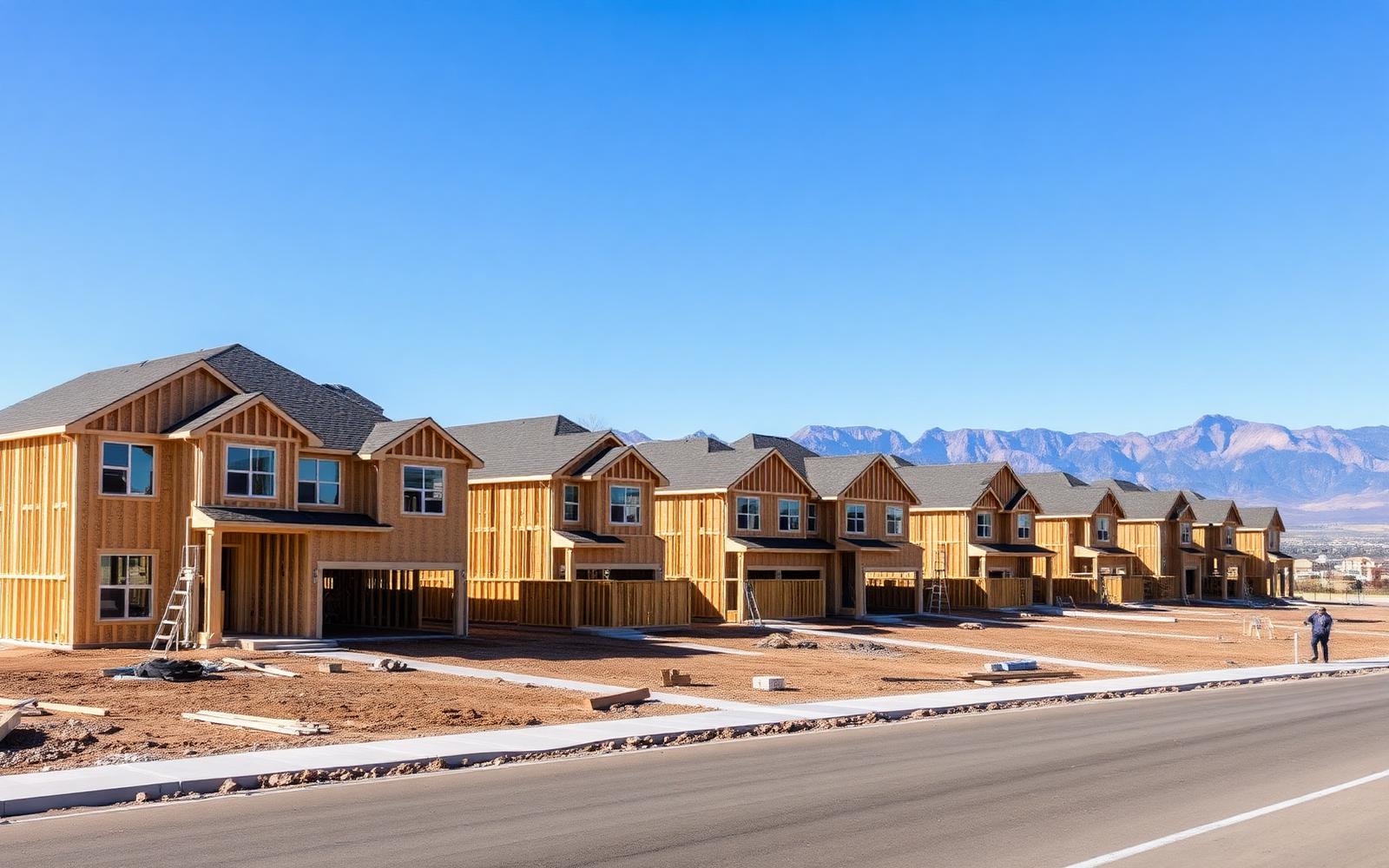
New Construction in Utah: What Buyers Should Know Before Signing
Thinking about buying new construction in Utah? Here's an honest breakdown of builder incentives, rate buydowns, closing cost offers, inspections, and what a new home warranty usually covers — and does not.
Read
Buying
Every Rent Check You Write Is a Mortgage Payment — Just Not Yours
Every rent check builds your landlord's equity — not yours. Here's the honest case for buying sooner, what your first home actually is, and the qualifiers that determine whether the numbers make sense.
Read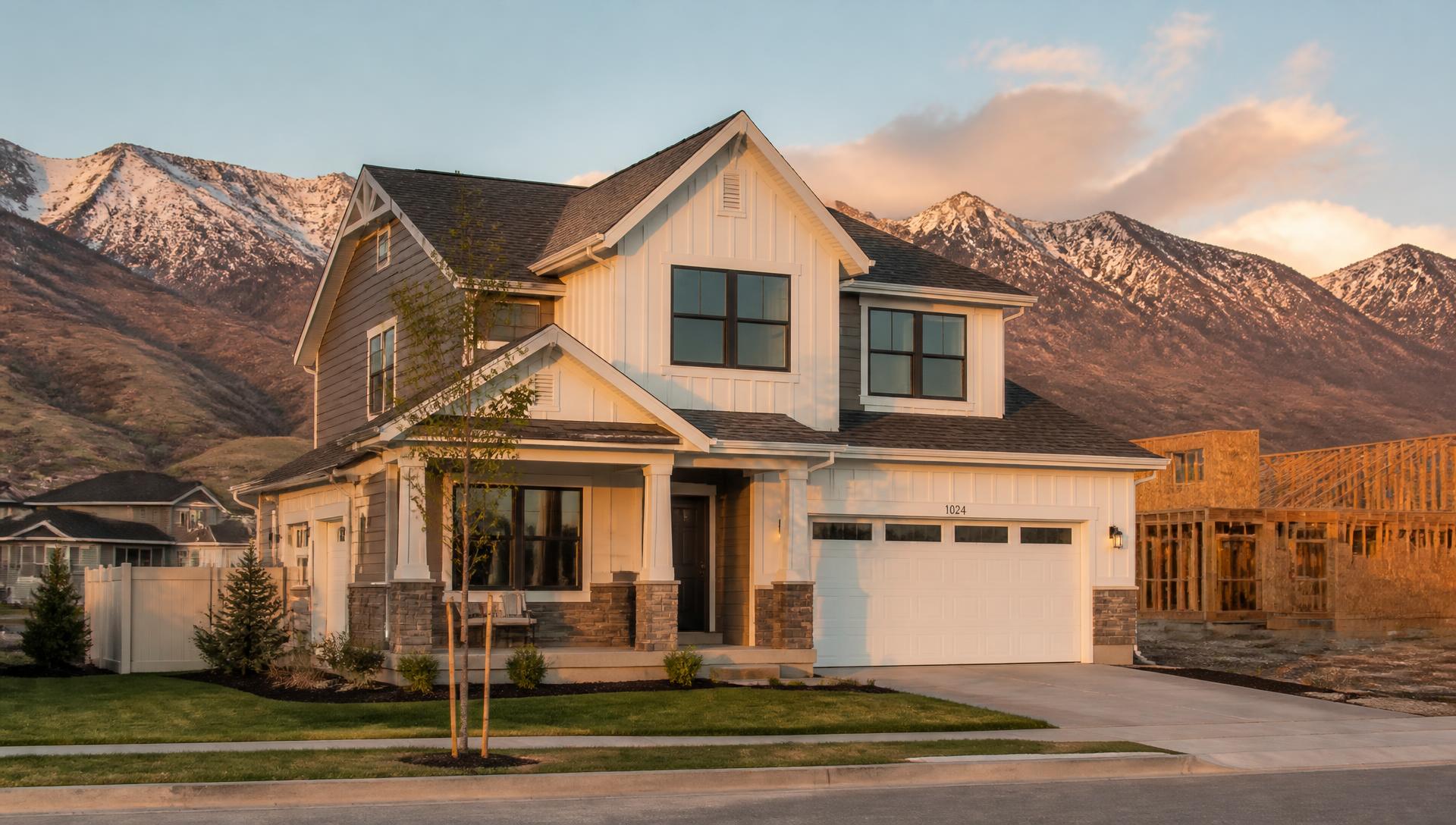
Buying
Meet Travis from Edge Homes — New Builds, Credits & Incentives in Utah
A conversation with Travis from Edge Homes: how he got into new construction, the real advantages of buying new, and the builder credits and incentives most Utah buyers never think to ask about.
Read