
Buying · Buyer Tips · Utah County · Juab County · New Construction
New construction in Utah — what buyers should know before signing.
Builder incentives, rate buydowns, closing cost offers, warranties, and inspections — an honest breakdown for Utah buyers before walking into a sales office.
New construction looks like the straightforward choice.
Brand new home. No previous owners. No deferred maintenance. A warranty.
But buying from a builder is not the same as buying a resale home from another homeowner. Builder contracts, incentive terms, warranty documents, preferred-lender conditions, construction timelines, and cancellation rules can vary widely from builder to builder.
That does not mean new construction is a bad option. For many Utah buyers, it can be a great fit. But it does mean buyers should slow down before signing and understand what is actually being offered.
This guide breaks down the things that most often surprise buyers in new construction purchases in Utah — builder incentives, closing cost offers, rate buydowns, warranties, inspections, and buyer representation.
Read it before you walk into a sales office.
Educational Disclaimer
This post is for general educational purposes only. Builder contract terms, incentive conditions, warranty coverage, lender requirements, construction timelines, and inspection options vary by builder, development, lender, and transaction. This is not legal, financial, lending, or construction advice. Always review specific documents with a licensed Realtor and consult the appropriate professionals before signing a builder contract.
Builder incentives
Why builders offer incentives — and what they're actually doing.
Builder incentives are real. Closing cost contributions, rate buydowns, appliance packages, design upgrades, and quick-move-in incentives can all provide value to a buyer when they are understood correctly.
But incentives are not random generosity. Builders use incentives as a business tool. When demand slows, inventory builds, or a builder needs to move completed homes, incentives may become stronger. When demand is high, incentives may shrink or disappear.
That matters because the money for incentives has to come from somewhere. Sometimes it is reflected in the price. Sometimes it is tied to using the builder's preferred lender. Sometimes it is structured in a way that helps the monthly payment look better without reducing the purchase price.
None of that means incentives are bad. It just means buyers should evaluate them instead of reacting emotionally to the headline number.
Local Realtor Note
"When I see a builder significantly increasing incentives, I read that as a sign that something may not be moving as quickly as they want. That can be useful information for a buyer — but it needs context to be helpful rather than just reassuring."
— Dana Hoyt, Summit Keys
 AI generated image
Closing cost offers
The closing cost offer — what's usually attached.
Builder closing cost contributions are one of the most common incentives in new construction purchases. They can be legitimate and useful, especially for buyers who want to preserve cash at closing.
The important detail is that many of these offers are conditional. A builder may offer a larger closing cost contribution, rate incentive, or upgrade package only if the buyer uses the builder's preferred lender or follows other specific terms.
Buyers are generally allowed to shop lenders and compare loan options. But choosing an outside lender may reduce or eliminate the incentive. That creates the real question: is the closing cost savings worth the loan terms being offered?
The best way to evaluate this is to get a Loan Estimate from the builder's preferred lender and at least one independent lender. Compare the interest rate, APR, lender fees, points, lender credits, down payment and cash to close, and estimated cost over time. Also factor in the full monthly cost of ownership, not just principal and interest.
Do not compare only the monthly payment. Compare the full loan.
Buyer Reality Check
"Get an outside lender quote first. Always. You cannot evaluate whether the builder's incentive is worth it until you know what you may be giving up on the rate or fee side. A $10,000 closing cost contribution sounds great, but if the loan costs more over time, the headline number may not tell the full story."
— Dana Hoyt, Summit Keys
Rate buydowns
When they help — and when to do the math.
A rate buydown is a way to lower the buyer's interest rate. Some buydowns are temporary. Others are permanent.
A temporary buydown, like a 2-1 buydown, usually reduces the rate for the first two years before the loan returns to the full note rate. For example, the rate may be 2% lower in year one, 1% lower in year two, and then return to the full contract rate in year three.
A permanent buydown works differently. It usually involves paying discount points at closing to reduce the rate for the life of the loan.
Both can be valuable. But both require math.
Ask
- · What is the full note rate?
- · What is the temporary rate?
- · What will the payment be after the temporary buydown expires?
- · What does the buydown cost?
- · Who is paying for it?
- · Is it part of the total incentive package?
- · How long would I need to keep this loan for the savings to make sense?
If a buyer plans to refinance, sell, or move before the breakeven point, the buydown may not deliver the value they expected. The right answer depends on the buyer's timeline, cash position, rate options, and comfort with the long-term payment.
Local Realtor Note
"I always want to see the cost of the buydown separately from the rest of the incentive package. If a buydown costs $8,000 and saves about $300 per month, that takes roughly 27 months to break even. If the buyer refinances or moves before then, the math may not work the way it looked on the flyer."
— Dana Hoyt, Summit Keys
 AI generated image
New home warranty
What a new construction warranty usually covers.
Most new construction warranties are limited warranties. They do not cover everything, and the details can vary by builder, warranty company, loan type, and specific warranty document.
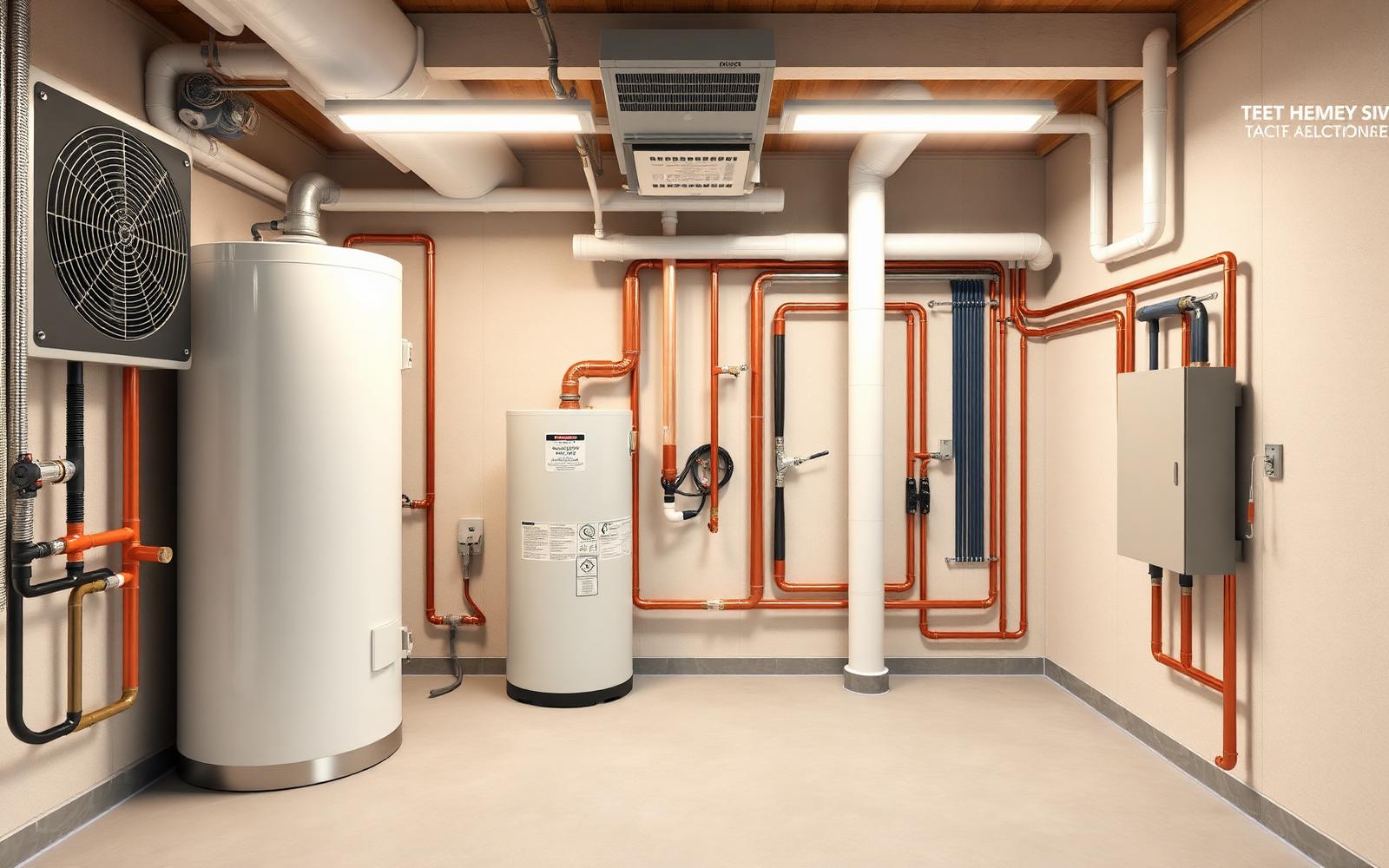
A common structure is often described as one year, two years, and ten years. Workmanship and materials coverage commonly applies for about one year. Mechanical, electrical, and plumbing systems are commonly covered for about two years. Structural coverage may extend longer, sometimes up to ten years, but the definition is usually narrow.
The most important point is simple: the actual warranty document controls. Not the brochure. Not the sales pitch. Not the quick summary. The document.
Around 1 year
Workmanship & Materials
Finish work, drywall, paint, doors, trim, caulk, grout, installation quality.
Builder-specific definitions and claim windows apply.
Around 2 years
Systems
HVAC, plumbing, electrical systems.
Coverage depends on warranty document and exclusions.
Sometimes up to 10 years
Major Structural
Foundation, load-bearing walls, roof framing, major structural components.
Usually limited to major structural defects, not cosmetic issues.
"Read the actual warranty document before you close. Not the brochure summary. The document."
— Dana Hoyt, Summit Keys
 AI generated image
The gaps
What the warranty does not cover — the gaps buyers miss.
A new construction warranty is helpful, but it is not a blank check for every issue that appears after closing.
Several categories of issues are commonly excluded or limited. Appliances are often handled by the manufacturer's warranty, not the builder's warranty. Small cracks in drywall, tile, brick, cement, or similar materials may be treated as normal settling or excluded depending on timing and severity.
Normal settling is one of the biggest surprises for buyers. New homes can settle. Settling can lead to small drywall cracks, caulk separation, trim gaps, or doors that fit slightly differently than they did at closing. Some of those issues may be addressed during an early workmanship period, but they are not automatically covered forever.
Landscaping, grading, drainage, homeowner maintenance, modifications made after closing, neglect, or issues reported outside the warranty claim window may also be denied.
This is why documentation matters. Buyers should save warranty documents, understand claim deadlines, submit warranty requests in writing, and keep a record of communication.
Buyer Reality Check
"Get an independent inspection anyway. A new construction warranty is not a substitute for an independent inspector reviewing the home before closing. Inspectors can catch things builders miss — and identifying issues before closing is almost always better than trying to solve them after."
— Dana Hoyt, Summit Keys
Representation
Buyer representation in a builder's sales office.
The person sitting at the desk in the builder's sales office is there to sell the builder's homes. In most cases, that person represents the builder, the developer, or the builder's sales team — not the buyer.
That is not a criticism of builder sales representatives. Many are professional and helpful. But buyers need to understand the relationship. The builder's team is working inside the builder's process, using the builder's forms, the builder's timelines, and often the builder's preferred lender or title structure.
A buyer who walks into a sales office without representation is often making decisions inside a system designed by the builder. That may include the contract, upgrade deadlines, incentive terms, deposit rules, financing deadlines, cancellation rights, construction timelines, and warranty documents.
Having your own Realtor gives you someone focused on your side of the transaction. Compensation for buyer representation should always be confirmed in writing and depends on the builder's policy, the buyer-broker agreement, and the specific transaction. Many builders may pay a buyer's agent if the buyer is properly registered early, but buyers should never assume that automatically.
Local Realtor Note
"Get your own representation before your first visit to the sales office — not after you have already fallen in love with the floor plan. Many builders have registration policies, and once a buyer registers unrepresented, adding representation later can become complicated."
— Dana Hoyt, Summit Keys
Before you sign
The simple plan before you sign.
New construction does not have to feel confusing. You just need a plan before emotion takes over.
- 01
Step 1 — Compare the Incentive
Look at the full incentive package, not just the biggest number.
- 02
Step 2 — Compare the Loan
Get the builder lender's Loan Estimate and at least one outside lender quote.
- 03
Step 3 — Review the Documents
Read the contract, warranty, cancellation terms, lender conditions, construction timeline, and inspection options before signing.
- 04
Step 4 — Inspect the Home
Consider independent inspections before closing and near the end of the first-year warranty period.
- 05
Step 5 — Confirm Representation Early
Talk with your own Realtor before the first sales office visit.
The headline number is not the deal. The full package is.
— Dana Hoyt, Summit Keys
Want to talk through the numbers before you visit a builder? That conversation is usually the cheapest part of the entire process.
Common questions
New Construction FAQs — Utah Buyers.
By Dana Hoyt, Realtor® · Summit Keys Real Estate · June 2026
This post is for general educational purposes only. Builder contract terms, incentive conditions, warranty coverage, lender requirements, buyer-broker compensation, construction timelines, inspection options, and construction standards vary by builder, development, lender, and transaction. This is not legal, financial, lending, tax, or construction advice. Always review specific documents with a licensed Realtor and consult appropriate professionals before signing any builder contract. Dana Hoyt is a licensed Realtor® in Utah with The Perry Group | Real.
