
Buying · Resources
Every rent check you write is a mortgage payment — just not yours.
Every rent check builds your landlord's equity — not yours. Here's the honest case for buying sooner, what your first home actually is (a first investment), and the qualifiers that determine whether the numbers make sense for your situation.
There's a version of the rent-versus-buy conversation that involves complicated spreadsheets, opportunity cost calculations, and market timing debates. This isn't that version.
This is the plain-English version — the one that matters most for renters who are wondering whether it's time to buy, whether they should keep saving for something better, and whether their first home has to be their forever home.
It doesn't.
This post is for general educational purposes only. Home buying decisions involve financial, legal, and personal considerations that vary by situation. This is not financial advice — speak with a licensed lender and financial advisor about your specific circumstances.
Section 1
What your rent check is actually doing.
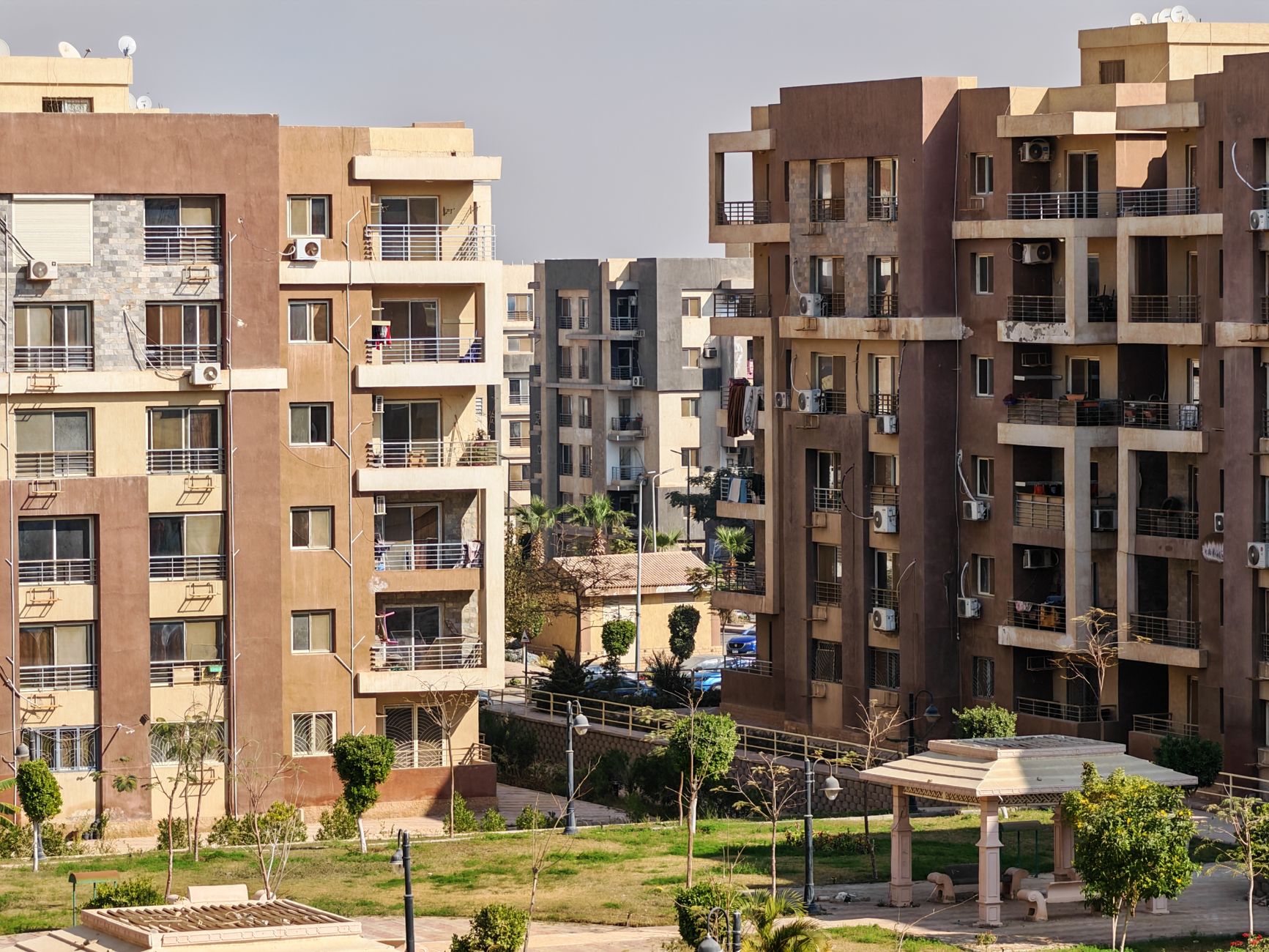
Every rent payment covers the cost of occupying a space. It doesn't build equity, doesn't create an ownership stake, and doesn't produce an asset. At the end of a lease, a renter's financial position relative to housing is essentially unchanged from where it started.
Meanwhile, the landlord's mortgage is being paid — by the renter. The landlord's equity grows with every payment. The property's value, in most markets over most periods, continues to appreciate. The renter funds all of this without participating in any of the upside.
This isn't an argument that renting is a bad decision in every circumstance — there are real situations where renting is the right choice. But there is a real cost to renting longer than necessary, and that cost is measured in equity not built, in payments made toward someone else's asset, and in years of market appreciation not participated in.
"Renting isn't wasting money. But it isn't building anything either. Understanding that distinction clearly is where the decision starts."
Section 2
What a mortgage payment does that rent can't.
Equity building. Every mortgage payment has two components — interest paid to the lender and principal reduction that increases the homeowner's ownership stake. In the early years of a mortgage, the interest component is larger, but the equity being built is real from the very first payment. Over time, as the principal balance decreases, equity grows through both continued payments and, in most markets, property appreciation.
Payment stability. A fixed-rate mortgage locks in a monthly payment that does not change for the life of the loan. The landlord cannot raise it. The market cannot move it. While property taxes and insurance can adjust, the core mortgage payment — the largest component — is fixed. Renters, by contrast, are exposed to market rent increases with every lease renewal.
Asset creation. A home is an asset — something that can be sold, refinanced, borrowed against, or eventually paid off entirely. Equity built in a first home is the capital that funds the purchase of the next one. Renters who continue to rent while saving for a theoretically perfect future purchase are often also watching the homes they eventually want appreciate beyond where their savings can reach.
"Rent pays for where you live. A mortgage pays for where you live — and builds something at the same time."
Section 3
Your first home is not your forever home.
The most common reason renters delay buying is that they haven't found the right house yet — the right size, the right neighborhood, the right number of bedrooms, the right finishes. This is a natural instinct, and it's also the instinct that keeps people renting for years longer than necessary.
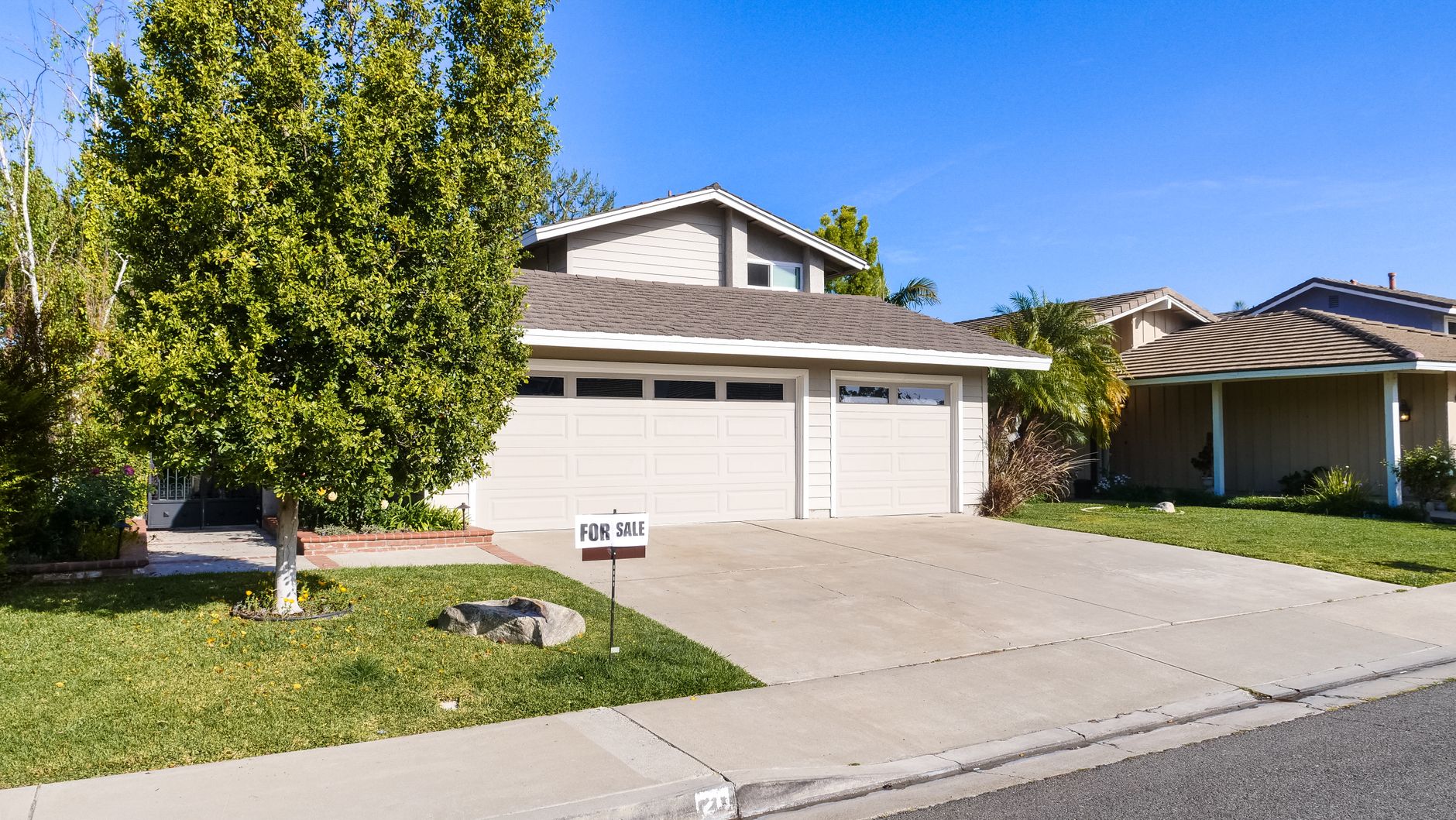
The reframe that changes the decision for most renters is this: your first home is not your forever home. It is your first investment. It is the asset that builds the equity that funds the purchase of the home you actually want. Buyers who enter the market in a starter home — something modest, something that checks the important boxes without checking all of them — and hold it for three to five years while equity builds are in a fundamentally different financial position than renters who waited for perfect during the same period.
The goal is not to love your first home forever. The goal is to own it long enough to use it.
"The buyers who are best positioned five years from now are almost always the ones who started — not the ones who waited for perfect."
Section 4
The rent trap — why waiting often costs more than buying.
There's a compounding dynamic that works against renters who wait. Rent increases over time — every lease renewal is subject to whatever the market will support. Meanwhile, a fixed mortgage stays the same while the home's value, in most markets, continues to grow. Five years of rent increases compared to five years of equity growth and payment stability creates a gap that compounds in a direction that doesn't favor renters.
The second dynamic is appreciation. A renter who waits three years to buy while saving is often watching the homes they plan to purchase appreciate — which means their savings are chasing a moving target. The down payment they need grows alongside the prices.
In some markets and some periods, this dynamic is less pronounced; in others, it is severe. Understanding which environment you're operating in is part of the decision — and it's a conversation worth having with a local lender and a local Realtor before you make the call.
Section 5
When buying makes sense — and when it doesn't.
Affordability. The full monthly payment — including principal, interest, property taxes, homeowners insurance, and a maintenance reserve — must be genuinely affordable without stretching. Qualifying for a payment and being comfortable with it are different numbers. If making the payment requires best-case income or leaves no financial margin, waiting to strengthen the financial position is the right call.
Timeline. Equity takes time to build, and the transaction costs of buying and selling take time to recover. Buyers who plan to stay fewer than three years are generally better off renting during that period. Buyers who plan to stay three to five years or more are typically in territory where the equity and stability benefits of ownership outweigh the transaction costs and opportunity cost of buying.
Savings. The down payment, closing costs, and post-closing reserves all need to be covered. Buyers who close with no remaining savings are highly vulnerable to the first unexpected repair. The right time to buy is when the financial position covers all three buckets, not just the down payment. If you want a plain framework for those three buckets, that's exactly what Ready in 90 · Part 1 walks through.
For a fuller look at what ownership actually costs each month before you commit — including the pieces most first buyers forget to budget for — see the full cost of owning a home in Nephi.
Buyer reality check
"Buying before you're ready is its own financial mistake. Buying when you are ready — even in a starter home — builds something that renting never will."
Section 6
What this looks like in Juab County.
For renters in Nephi, Mona, Levan, or the surrounding corridor, the starter home market in Juab County offers genuine entry points that are meaningfully below the Utah County markets to the north. A buyer who enters the market in Nephi at a starter price point — builds equity for three to five years while the payment remains fixed — is in a materially stronger position to make a subsequent move than a renter who waited during the same period.
The local market reality supports the principle: starter homes exist in this corridor, the USDA loan program eliminates the down payment barrier for many qualifying buyers in this rural area, and the cost of ownership in Juab County is genuinely more accessible than markets north of Payson. For a broader look at low- and no-down programs that apply here, see down payment options for Utah home buyers.
"You don't have to start with the house you want. You have to start."
FAQ
Rent vs. buy FAQs.
Local Realtor Note
"The renters I've worked with who eventually bought almost always tell me the same thing after closing — they wish they'd started sooner. Not because the house was perfect, but because they finally saw what those rent checks had been quietly costing them."
— Dana Hoyt, Summit Keys
Share this post
This post is for general educational purposes only and is not financial advice. Home buying decisions involve individual financial, legal, and personal circumstances that vary significantly. Speak with a licensed mortgage lender, financial advisor, and Realtor about your specific situation before making a home purchase decision. Dana Hoyt is a licensed Realtor® in Utah with Summit Keys Real Estate and Real Brokerage, LLC — The Perry Group.
