
Nephi · Juab County · Buyer Guide
Before You Buy, Know the Full Monthly Cost
The mortgage payment is not the only cost of owning a home.
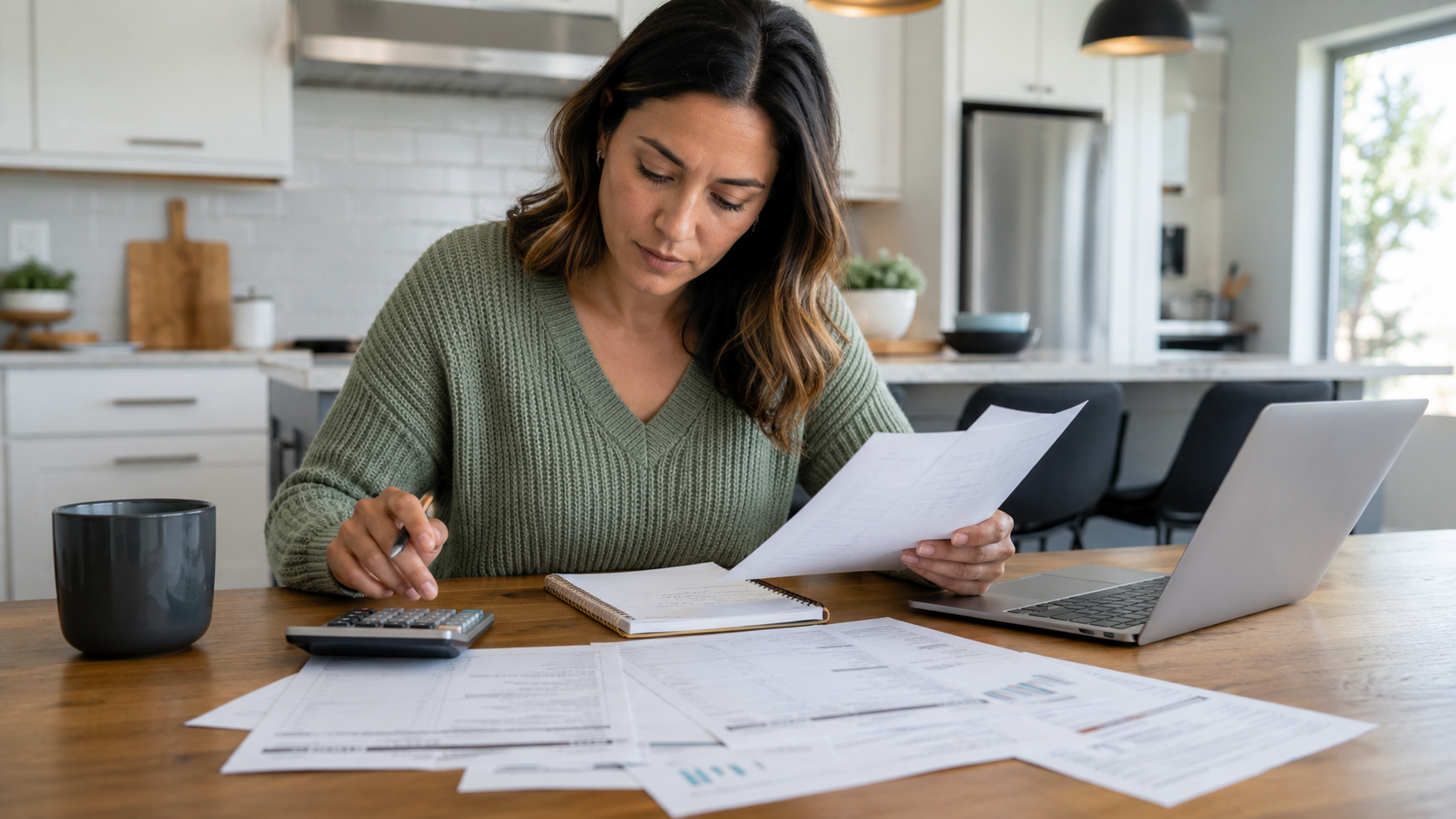
Real numbers matter before you write an offer
The real buyer question
What does it actually cost to own a home after closing?
A lot of buyers start with one number:
The mortgage payment.
That number matters, but it is not the whole picture.
A home can feel affordable on paper and still feel stressful in real life if you only plan for the mortgage and forget the costs that come after closing.
Before you get too attached to a house in Nephi, Mona, Levan, Eureka, or Juab County, it is worth looking at the full monthly cost.
The Mortgage Payment Is Only One Piece
Getting approved is only the starting point. Living comfortably in the home is the real goal.
The mortgage payment is important, but buyers should not stop there.
A monthly payment may include principal and interest, but buyers also need to think about taxes, insurance, mortgage insurance, HOA fees, utilities, repairs, maintenance, and move-in costs.
The better question is not just, “Can I get approved?” The better question is, “Can I comfortably live with the full cost of this home after I move in?”
Want to run the numbers?
Use the mortgage and affordability calculator here. Rates change, so use the calculator as a planning tool and talk with a lender for current payment estimates.
Mortgage and affordability calculator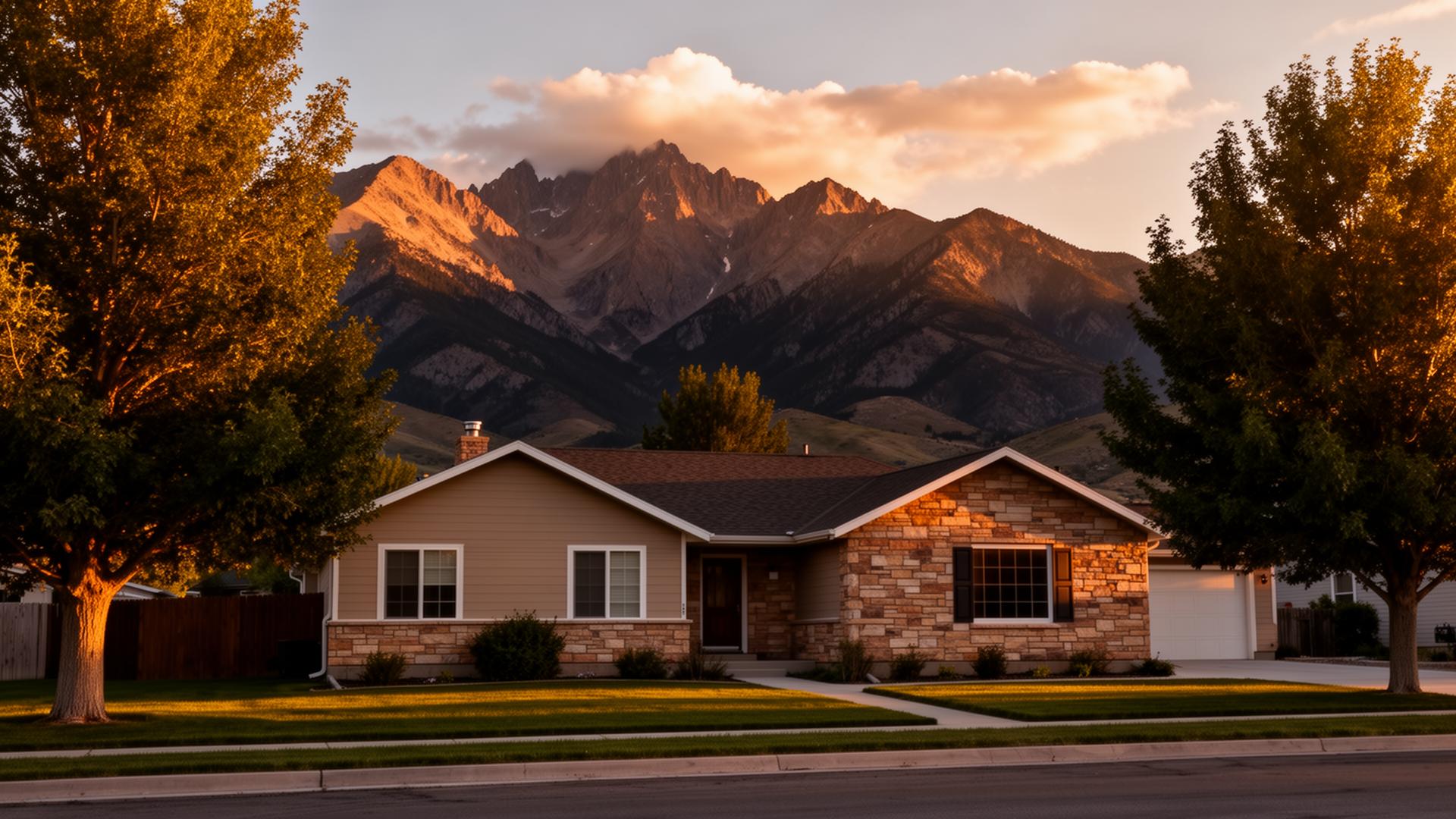
Do not judge affordability from the listing price alone.
Property Taxes and Home Insurance
Buyers need to understand that taxes and insurance can affect the monthly cost of owning a home.
In Nephi and Juab County, many buyers looking at typical homes in the mid-$400,000 to $500,000 range should not be surprised if property taxes are roughly a few hundred dollars per month when estimated annually and divided across the year.
A reasonable educational ballpark for property taxes on a mid-$400,000 to $500,000 home may be around $200 to $250 per month, depending on the property, assessed value, tax area, exemptions, and current local tax rates.
For homeowners insurance, Utah averages are often lower than many states, but buyers should still plan for roughly $110 to $160 per month as a starting estimate. Actual insurance costs can change based on the home, location, coverage, deductible, age, roof, claims history, and insurer.
- Property taxes vary by property and tax area
- Home insurance varies by coverage and home details
- Taxes and insurance may be included in escrow depending on the loan
- Buyers should ask their lender and insurance provider for realistic estimates before assuming affordability
Do not judge affordability from the listing price alone. Ask what the estimated monthly cost looks like with taxes and insurance included.

Utilities and Internet
Utilities can vary a lot from one home to another.
In Nephi, buyers should plan for utilities as part of the real monthly cost. A simple rough range for many homeowners may be around $200 to $400 per month for utilities and internet, depending on home size, season, usage, heating and cooling needs, watering, and the specific property setup.
Nephi City’s fee schedule includes local utility charges such as electric base charges and usage, water base charges and usage tiers, sewer, garbage, stormwater, and other utility-related fees. That means the final amount can change based on how much power, water, gas, and other services the household uses.
- Electricity
- Gas or propane if applicable
- Water
- Sewer or septic-related costs if applicable
- Trash
- Stormwater
- Internet
- Larger homes may cost more to heat and cool
- Older homes may have different utility costs than newer homes
- Internet availability and quality can matter, especially for people working from home
In Nephi and Juab County, buyers should not assume every property has the same utility setup. Some properties may have different services, rural considerations, or property-specific details.
Repairs and Maintenance
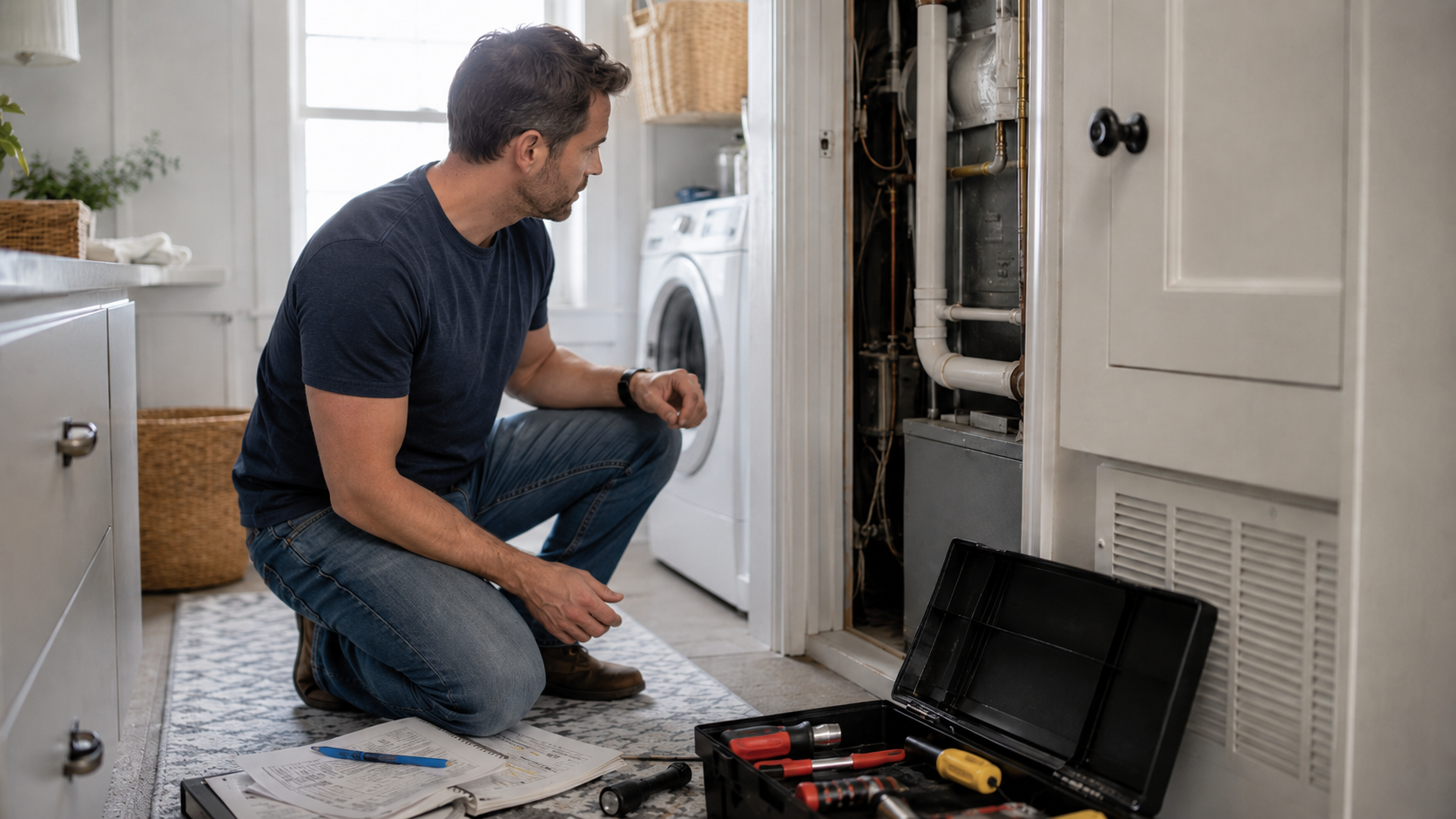
Owning means repairs are no longer someone else’s responsibility.
A practical starting point is to keep at least $5,000 to $10,000 available after closing for normal repairs, maintenance, and early homeowner surprises.
For older homes, homes with aging systems, or properties where the inspection shows roof, HVAC, plumbing, water heater, or electrical concerns, buyers may need a much larger cushion. In those cases, having $15,000 to $25,000 or more available may be more realistic, depending on the condition of the home.
That does not mean every buyer will spend that immediately. It means major repairs can be expensive.
- Minor handyman repairs can often run a few hundred dollars per project
- A water heater replacement can run into the low thousands
- HVAC replacement can run several thousand dollars
- Roof replacement can commonly run well over $8,000 and sometimes much more depending on size, materials, and complexity
- HVAC
- Roof
- Plumbing
- Electrical
- Appliances
- Water heater
- Flooring
- Paint
- Windows
- General wear and tear
A common homeowner budgeting rule is to plan for around 1% to 4% of the home’s value per year for maintenance and repairs. On a $450,000 home, even 1% is about $4,500 per year.
Renters call the landlord. Homeowners need a plan.
This should not scare buyers away from owning. It should help them avoid spending every dollar at closing and having nothing left for real life after move-in.
Yard Care, Land, and Outdoor Space
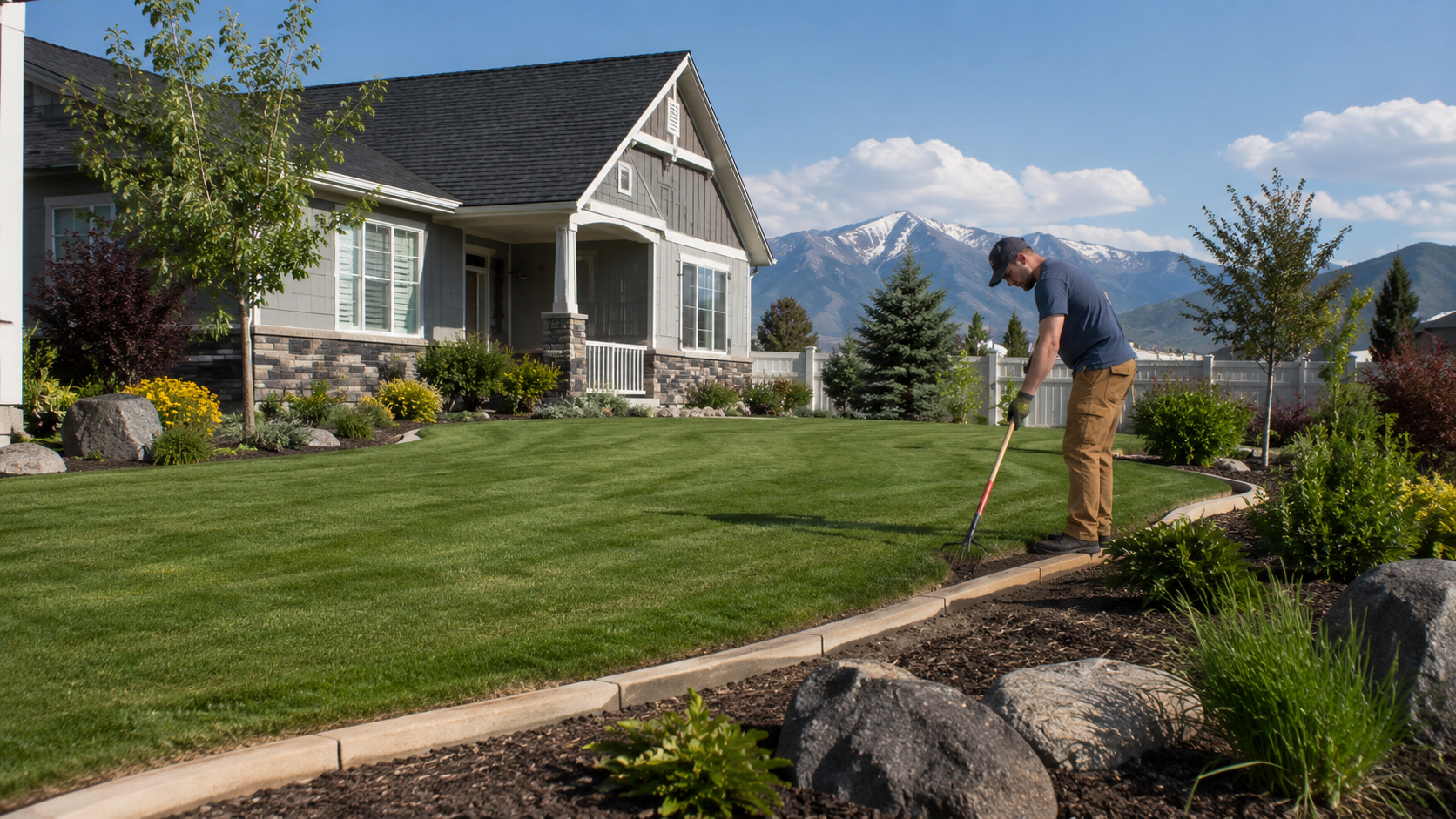
More space can be one of the biggest reasons people look at Nephi or Juab County, but more space can also mean more maintenance.
- Lawn care
- Sprinklers
- Irrigation questions if applicable
- Fencing
- Trees
- Snow removal
- Weeds
- Gravel driveways
- Equipment
- Watering
- Time commitment
More space is not automatically better. More space is better when it fits your time, budget, and lifestyle.
Move-In Costs Buyers Forget
Even after closing, buyers often spend money getting settled.
- Furniture
- Appliances
- Washer and dryer
- Tools
- Lawn equipment
- Blinds or window coverings
- Cleaning supplies
- Paint
- Small repairs
- Moving truck or movers
- Utility deposits or setup fees
This is one reason I encourage buyers to leave room in the budget instead of spending every available dollar at closing. A smoother move-in usually starts with some breathing room.
Juab County Property Details That Can Change the Budget
Some homes in Juab County may have property-specific details that affect cost.
- Septic
- Wells
- Irrigation
- Propane, if applicable
- Outbuildings
- Larger lots
- Detached garages or shops
- Long driveways
- Storage needs
- Trailer or RV parking
- Rural road access
- HOA rules, if applicable
In this part of Central Utah, buyers should not assume every property works the same way. One home may be straightforward. Another may come with extra questions about systems, access, land, or upkeep.
A Realtor is not a substitute for an inspector, lender, attorney, surveyor, or county official, but a good local Realtor should help you know which questions to ask.
Questions to Ask Before You Make an Offer
This is the checklist I want buyers thinking through before they get emotionally committed.
Check 01
What is the estimated monthly payment with taxes and insurance included?
Check 02
What are the average utilities for this home?
Check 03
How old are the roof, HVAC, water heater, and major systems?
Check 04
What repairs may be needed soon?
Check 05
What will yard care require in time and money?
Check 06
Are there HOA fees or restrictions?
Check 07
Does the property have septic, well, irrigation, propane, or other setup details?
Check 08
How much cash should I keep after closing?
Check 09
Will this home still feel affordable after move-in costs?
Check 10
Does the monthly cost fit my life, not just my loan approval?
Buying is not just about getting the keys. It is about still feeling good about the decision after the first few months of real life in the home.
— Dana Hoyt, Summit Keys Real Estate · The Perry Group | Real
Dana’s Practical Buyer Approach
I do not want buyers to only focus on the mortgage payment and miss the full picture.
Before you buy, I want you to understand the home, the numbers, the property details, and what life might actually cost after closing.
That does not mean buying is a bad idea. It means buying should be done with your eyes open.
My goal is to help buyers make clear decisions, not rushed ones.
Frequently asked
Quick answers for buyers in Nephi and Juab County.
Dana Hoyt
Summit Keys Real Estate · The Perry Group | Real
Call/Text: 603-915-6884
Website: SummitKeys.org
This article is for general education only. Cost estimates are rough examples and can change based on the specific property, loan, insurance, taxes, utilities, repairs, market conditions, and personal usage. Buyers should confirm costs with their lender, insurance provider, inspector, utility providers, contractors, and other qualified professionals before making a buying decision.
