
Town Guide · Nephi, Utah
Nephi just put a number on how loud is too loud.
The city's updated noise ordinance sets real, measurable sound limits for commercial and industrial properties. Here's what it says, what the numbers actually feel like, and why it matters if you live — or want to live — anywhere near them.
Why it matters
A growing town has to decide what "quiet" means.
Nephi is growing. New rooftops are going up, and so is commercial and industrial activity along the corridor. Growth is good — it's a big part of why people are moving here — but it comes with a question every growing town eventually has to answer: how much noise is too much?
Nephi just answered it. The city's updated noise ordinance, Ordinance 07-21-2026, replaces vague ideas about loudness with actual numbers — decibel limits that can be measured, tested, and enforced at the property line.
If you've followed the city's other planning moves lately, like the Reese's Flat and ORPA grant master plan, this fits the same pattern: Nephi getting its rules in writing before the growth arrives, not after.
The big picture
First, what this ordinance is not.
This is not a rule about your neighbor's dog, a backyard party, or household quiet hours. It's aimed at commercial and industrial properties — the operations that run equipment all day and all night — and it measures sound at the exterior property boundary, not inside anyone's home.
That's an important distinction. Most noise complaints in a small town are neighbor-to-neighbor issues, and those are handled differently. This ordinance is about the big stuff: machinery, HVAC systems, refrigeration units, and the low hum of industrial operations that never fully shuts off.
The numbers
The actual limits, in one table.
The ordinance sets maximum sound levels measured at the property line, with two different limits depending on the time of day:
| Time period | dBA limit | dBC limit |
|---|---|---|
| Daytime — 6 a.m.–10 p.m. Mon–Fri, 9 a.m.–9 p.m. Sat–Sun | 75 | 85 |
| All hours outside the daytime windows | 65 | 75 |
Notice the nighttime limit is ten decibels lower. Because decibels are logarithmic, that drop isn't small — every 10 dB increase represents ten times more sound intensity, and it's often perceived as roughly twice as loud. The city is saying, in effect: daytime work noise is one thing, but nights in Nephi stay quiet.
Real-world context
So what does 75 decibels actually sound like?
Numbers on a page don't mean much until you anchor them to something familiar. A normal conversation at about three feet runs around 60 dB. Classroom chatter or the upper end of conversation lands near 70. A lawnmower or a freight train at a hundred feet starts around 80.
So the daytime limit of 75 dBA sits right in between — louder than a conversation, quieter than a mower. And the nighttime limit of 65 dBA is barely above conversational level. For an industrial operation measured at its own property line, that's a genuinely modest ceiling.
In plain terms: at the property line, an industrial site can't be louder than a loud conversation during the day, and barely louder than a normal one at night.
The technical part, made simple
Why there are two numbers: dBA and dBC.
The same sound can produce two different readings, because each scale weighs frequencies differently. dBA reduces the influence of very low and very high frequencies, so it tracks how the human ear perceives loudness. It's the standard for most environmental noise rules.
dBC keeps much more of the low-frequency energy in the reading — the bass, the hum, the thump of large mechanical equipment. That low-frequency sound is the kind you don't just hear; you feel it, and it carries farther than a dBA reading would suggest.
Nephi uses both for a reason. An operation could sound only moderately loud on the dBA scale while still producing a strong low rumble. The dBC limit keeps bass-heavy noise from being overlooked. This came up directly in the council's discussion — including concerns about potential data-center noise and the need for proactive sound mitigation before those facilities ever arrive.
How it's enforced
This isn't an honor system.
The ordinance lays out a real testing procedure. Measurements are taken at the exterior property boundary with meters using both A-weighted and C-weighted settings. A proper test means at least five two-minute samples across an hour, separated by ten-minute intervals — and testing is repeated on multiple dates, during both daytime and outside-daytime periods.
Two details tell you the city is serious. Traffic, wind, and other background sound have to be accounted for, so a site can't blame the highway. And the site is not to be warned before a test — no quieting down the equipment because someone is coming with a meter.
On top of that, the city can require a professional sound study before approving a project, along with berms, landscaping, or sound-barrier fencing if needed. A new operation has to pass sound measurements before it gets a permanent certificate of occupancy, with periodic checks afterward. And if equipment produces a prominent hum, whine, pulse, bang, or abrupt on-and-off cycling, the limit effectively gets five decibels stricter.
There are sensible exemptions — landscaping equipment, construction and demolition work, temporary backup power, daytime emergency-system testing, and emergency-response sound. Nobody wants the fire station written up for a siren.
The real estate angle
What this means if you're buying or selling nearby.
Here's my honest take as someone who sells homes in this town: this ordinance is good news for homeowners. One of the quiet fears buyers have about purchasing near commercial or industrial land is the unknown — what if something loud moves in next year? A measurable, enforceable sound limit turns that unknown into a written standard.
If you're shopping for a home in Nephi, it's still worth doing the homework: check what's zoned around the property, visit at different times of day, and ask what's planned for nearby parcels. That's part of every conversation I have with buyers, and it's a big part of buying a home in Nephi the right way. But now, whatever the answer is, there's a number behind it — 75 by day, 65 by night, measured where the property ends.
And if you already own near an industrial area, this is the kind of thing worth mentioning when you sell. "The city has enforceable sound limits" is a real answer to a real buyer concern.
If you're still getting to know the town, start with what it's like to live in Nephi or the Nephi town hub— and if you have questions about a specific street or neighborhood, I'm always happy to talk through it.
Quick answers
Common questions about the ordinance.
This post summarizes the city's community guide to Ordinance 07-21-2026 in plain language. For the full legal text, including measurement procedures, adjustments, and exemptions, read the adopted ordinance from Nephi City.
Share this post
Keep reading
More about life in Nephi

Buying
Cost of Living in Juab County, Utah — The Honest Monthly Math
What it really costs to live in Nephi, Mona, and Levan: home prices, property taxes, propane and septic, water shares, commuting north, and which savings are actually real.
Read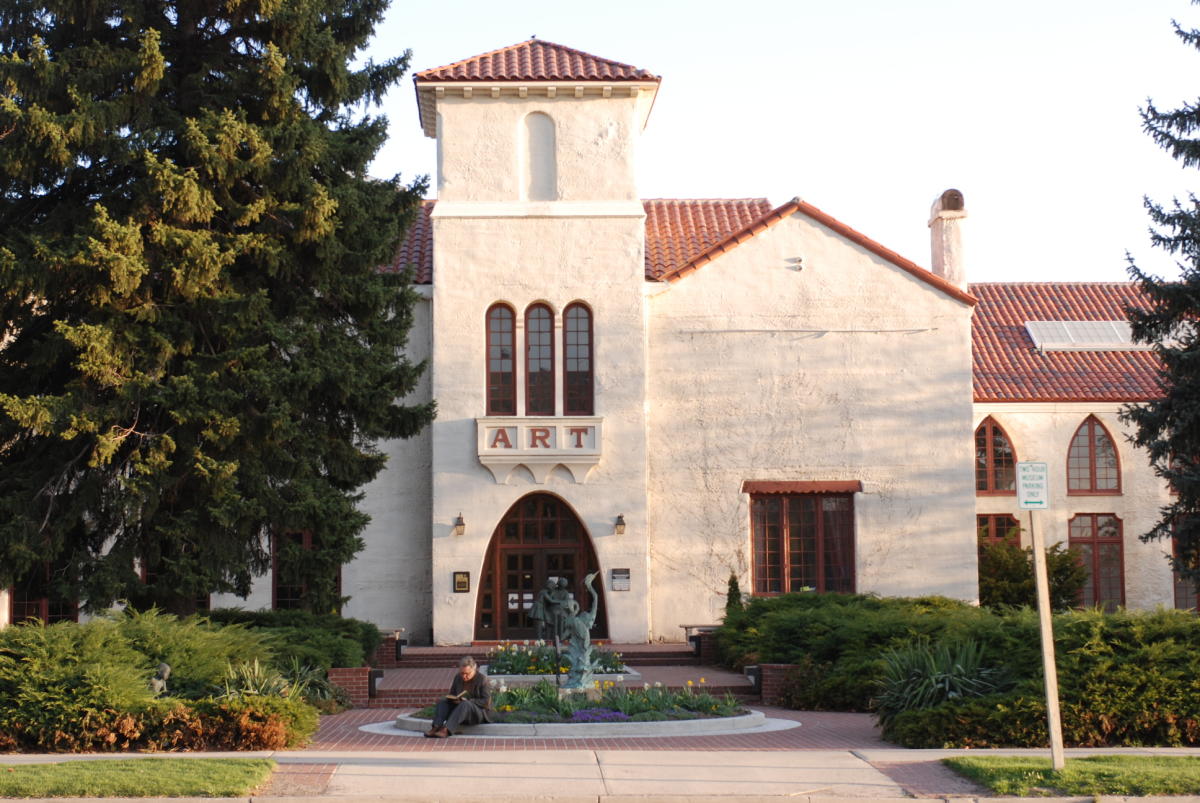
Town Guide
Springville, Utah — Art City, Hobble Creek, and the Town Between Spanish Fork and Provo
Springville has ~36,000 people, its own free world-class art museum, and Hobble Creek Canyon minutes east. Here's the honest 2026 guide for buyers considering the Utah County corridor.
Read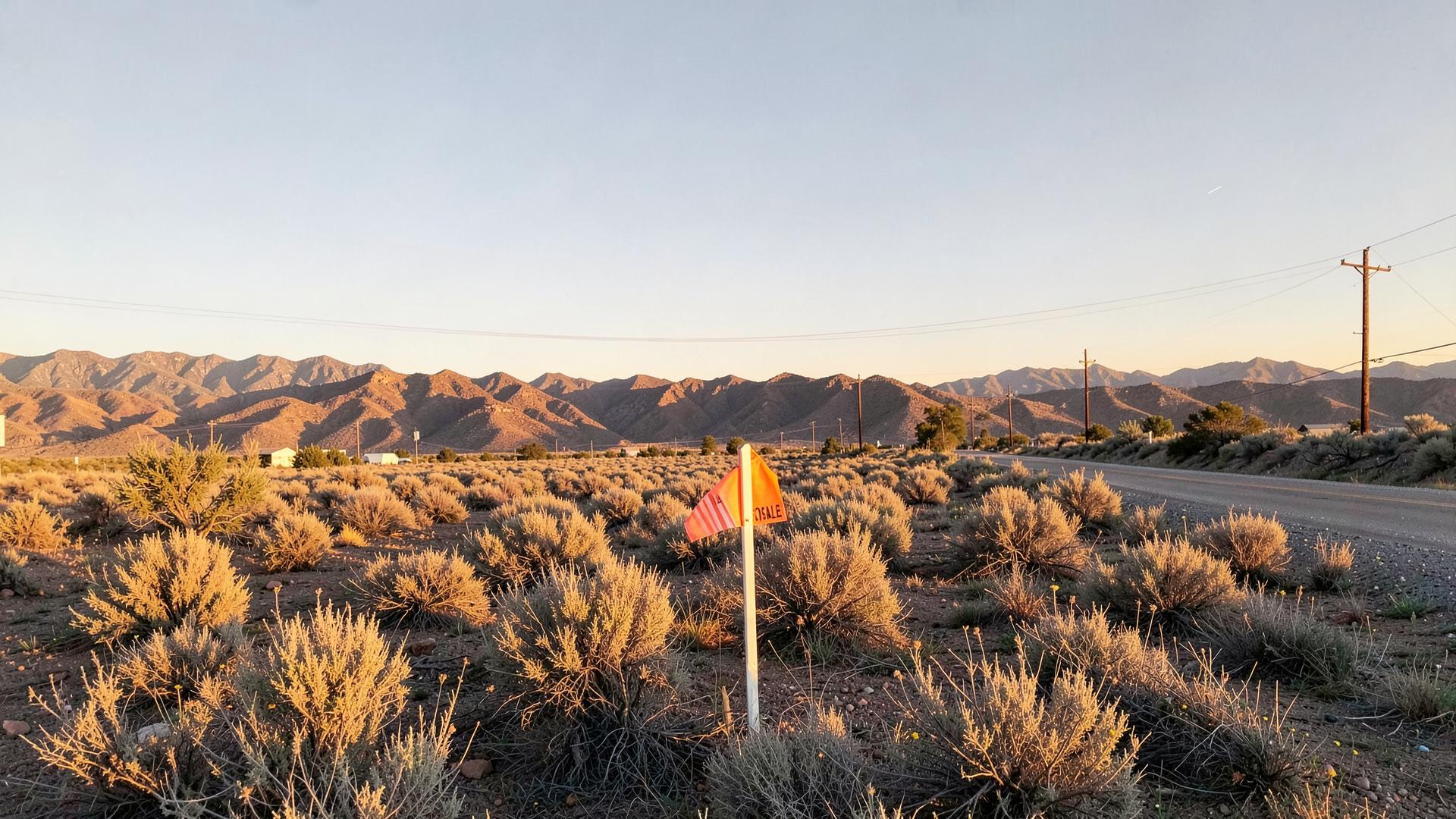
Buying
Buying Land for a Manufactured Home in Utah: The Checklist to Use Before You Offer
Water, septic, power, access, and zoning — the seventeen things to confirm on a Juab County parcel before you write an offer, and the red flags that should slow you down.
Read