Springville, Utah
Art City, Hobble Creek, and the Town Between Spanish Fork and Provo
Springville sits just south of Provo and just north of Spanish Fork — and it has its own thing going on.
With a population of approximately 36,367 and a median household income of $89,816, Springville is part of the Provo-Orem metropolitan area but carries a distinct identity. They call it Art City — the Springville Museum of Art is one of the most significant free art museums in Utah County, and it anchors a downtown that feels genuinely established rather than recently built. Hobble Creek Canyon is minutes east. I-15 access connects the city north and south across the corridor.
This guide covers what Springville actually offers, what it costs, and who it actually fits.
Population, income, and demographic figures are sourced from publicly available census and demographic data and are subject to change. Verify current information before making decisions based on this guide.
Section 01
The identity — why they call it Art City.
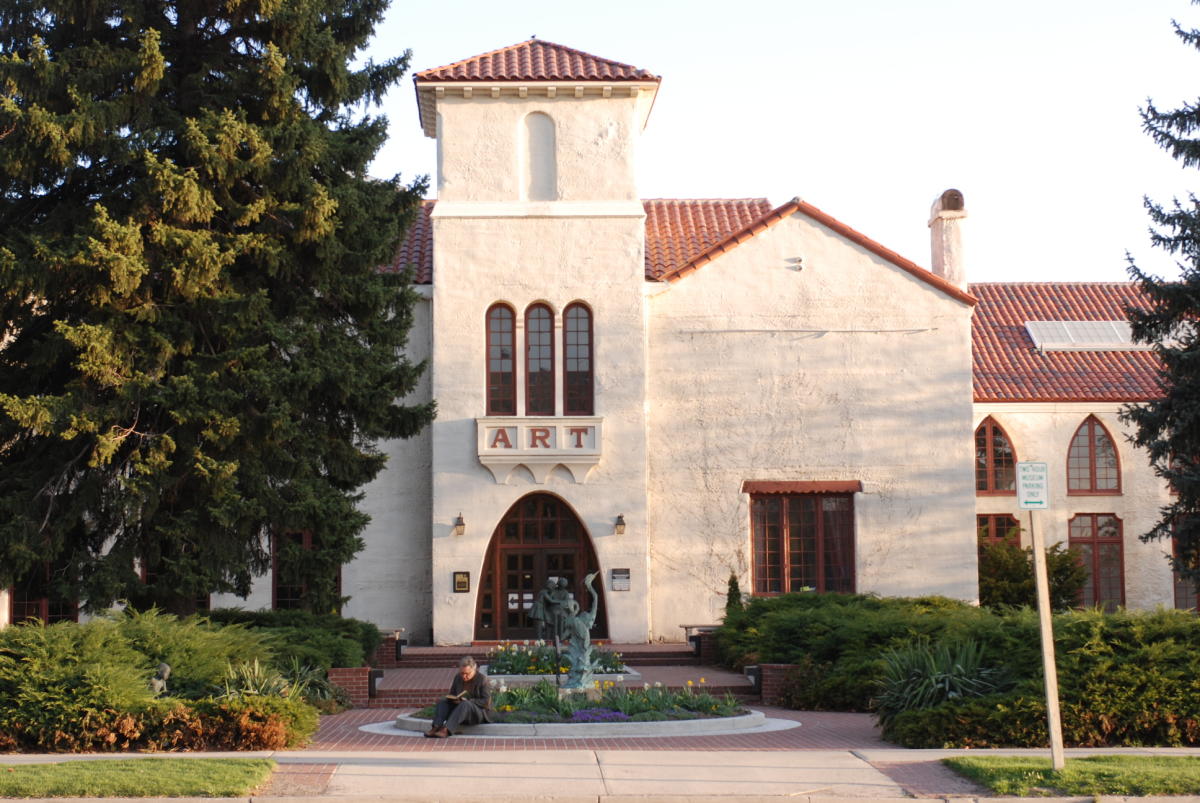
Springville earned its Art City nickname through a genuine civic commitment to the arts that goes back to the early 20th century. The Springville Museum of Art, located at 126 East 400 South, is a free civic art museum housed in a Spanish Colonial Revival building constructed in 1937 with WPA funding. It is one of the most significant art museums in Utah County — with permanent collections and rotating exhibits that draw visitors from across the region.
For buyers, that matters because it signals something specific about the character of the community. A city that built and continues to maintain a world-class free cultural institution has a different civic identity than one that simply grew by extension of the cities around it. The museum didn’t appear as an afterthought — it was funded, built, and preserved because the people who live here treat art as part of what a real city owes its residents.
Springville is not a subdivision of Provo. It is a city with its own established core, its own civic character, and its own reasons for being. When you walk the downtown, you feel a place that was built by people who intended to stay — not a bedroom community stitched onto the edge of somewhere else.
Section 02
By the numbers.
Springville’s numbers tell a specific story. It’s a mid-sized Utah County city — bigger than the corridor towns further south, but smaller and more contained than Provo or Orem. Growth is modest, income is comfortably above the state median, and the median age skews young, reflecting a city with a healthy mix of families and early-career households anchored to the Provo-Orem job market.
The lower annual growth rate — about 0.47% — is worth noticing. Springville isn’t in the middle of the same rapid buildout you see in Santaquin or Payson. The bones of the city are already in place.
Springville, Utah — data card
- 2020 Census Population
- 35,268
- 2026 Estimated Population
- ~36,367
- Annual Growth Rate
- ~0.47%
- Median Household Income
- ~$89,816
- Median Age
- ~28.7 years
- Metro Area
- Provo-Orem MSA
- City Area
- 14.4 square miles
- Nickname
- Art City / Hobble Creek
Section 03
Hobble Creek Canyon — the outdoor asset most people miss.
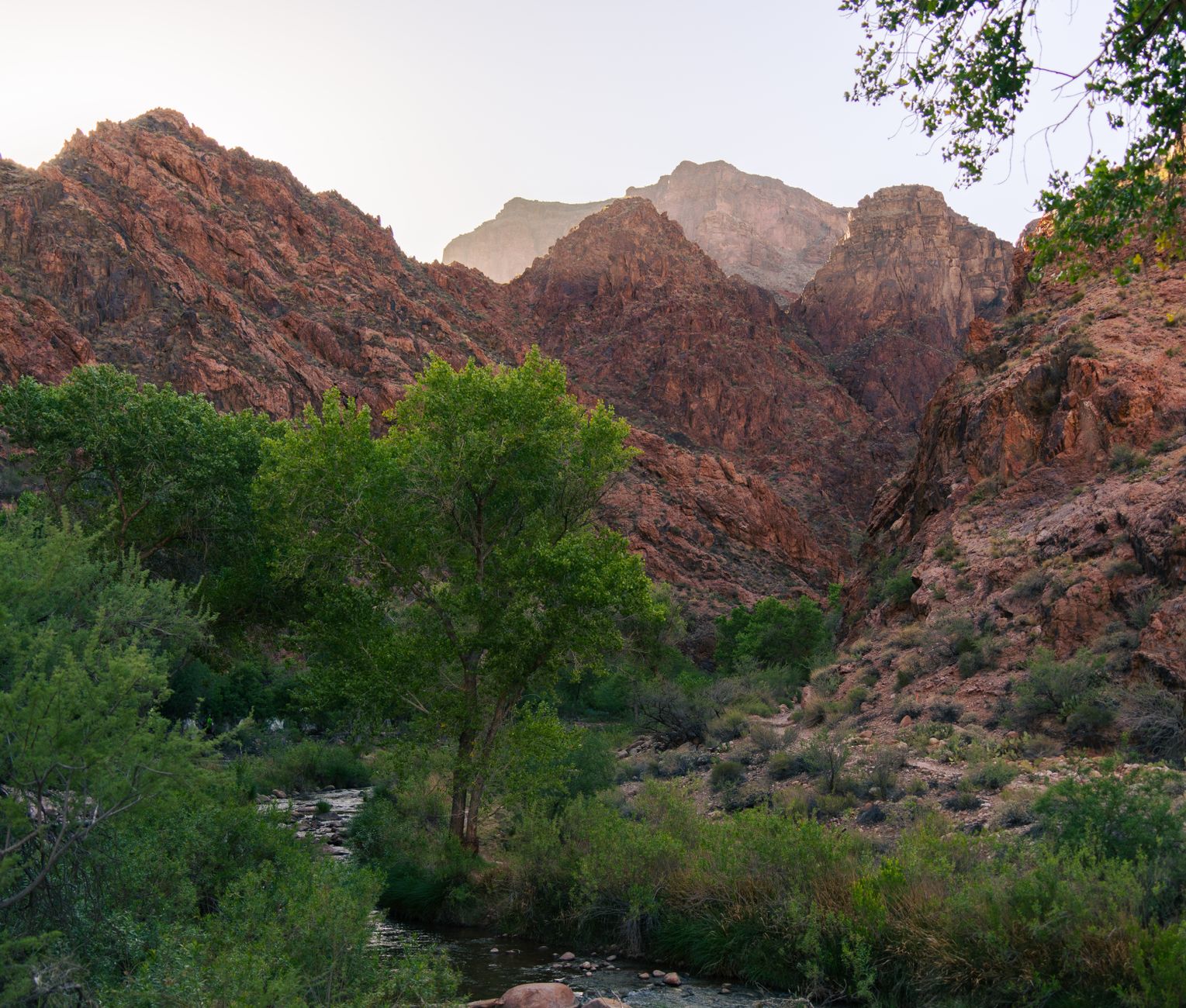
Hobble Creek Canyon sits east of Springville — accessible within a few minutes of most residential areas in the city. The canyon offers camping, hiking, and mountain recreation in a setting that feels significantly removed from the urban valley floor. For residents, this proximity means outdoor access is a routine option rather than a planned expedition — a Tuesday afternoon drive rather than a dedicated weekend trip.
Hobble Creek Golf Course also sits adjacent to the canyon, adding another recreational dimension to what is already one of the more accessible canyon environments in Utah County. You get the canyon, you get the golf, and you get both without needing to leave your own city to reach them.
Section 04
The commute.
Springville’s location on I-15 between Provo and Spanish Fork places the broader Provo-Orem employment market within a short daily commute — a meaningful advantage for households anchored to Utah County employment. Provo is roughly 5 to 10 minutes north depending on your exit and time of day.
For the longer Salt Lake County commute, Springville is more realistic than towns further south, though still a meaningful drive for daily commuters. The I-15 access works in both directions — north toward Provo, Orem, and Salt Lake, and south toward Spanish Fork and the corridor towns beyond, including Payson.
Section 05
The honest tradeoff.
Springville is more developed, more established, and more densely built than the towns further south in the corridor — Spanish Fork, Santaquin, Payson, and the Juab County towns beyond. The price point reflects that development and that proximity to Provo. Buyers looking for a rural feel, large lots at modest price points, or the genuine small-town character of a place like Nephi or Mona will find Springville is a different kind of city — established and urban in character rather than rural and spacious.
For buyers who want a city with its own identity — a free world-class art museum, canyon access minutes away, an established downtown, and a commute that reaches the Provo job market without requiring a relocation to Provo itself — Springville is worth a serious evaluation. It doesn’t feel like a suburb of whatever sits next to it. That distinction matters to certain buyers more than it does to others.
If you want a picture of where the wider Utah County market is right now, our Utah County market update is a useful companion to this guide.
“Springville is not a suburb of Provo. It’s a city with its own established core and its own reasons for being.”
FAQ
Springville, Utah FAQs.
Springville's population is approximately 36,367 as of 2026, growing at about 0.47% annually. The city covers 14.4 square miles.
Population, income, and demographic figures referenced in this post are sourced from publicly available census and demographic data and are subject to change. Always verify current information before making decisions. No opinions about specific community groups, demographics, or protected classes are expressed or implied. This post is for general informational purposes only. Dana Hoyt is a licensed Realtor® in Utah with Summit Keys Real Estate and Real Brokerage, LLC The Perry Group.
