
Local Life · Growth · Southern Utah County
Lowe's is coming to Payson, Utah. What it means for the communities around it.
Another place to buy lumber and appliances is convenient. But I think there's a bigger story here — and if you live in Salem, Santaquin, Mona or Nephi, it matters to you too.
For years, families in southern Utah County have watched new homes go up faster than many of the businesses and services needed to support them.
That may be starting to change.
Lowe's is officially coming to Payson, Utah.
And while having another place to buy lumber, appliances, tools, flowers and home-improvement supplies is convenient, I think there is a bigger story here.
Payson is changing. And if you live in Salem, Santaquin, Mona, Nephi or anywhere else along the southern Utah County corridor, that change matters to you too.
The announcement
So, what do we actually know?
According to Payson Mayor Bill Wright, attracting a major home-improvement retailer has been more than eight years in the making.
The city initially had conversations with Home Depot. Then, about two years ago, both Home Depot and Lowe's became interested in Payson.
Both companies reportedly pursued property in the lower portion of the Woodbury development west of Wayfarer Theaters. Lowe's ultimately moved forward, and during negotiations the proposed location shifted to the old Hillman baseball fields.
There is another part of the story worth pointing out:
Payson City says it did not offer Lowe's financial concessions or incentives to come. The city also says it was not involved in the private negotiations between Lowe's and the property owners.
The bigger picture
So why would Lowe's choose Payson?
That is where this story gets interesting.
Lowe's didn't just choose a city. It chose a growing region.
Large national retailers need customers. They need rooftops. They need traffic. They need enough homeowners, contractors and future growth to justify investing millions of dollars into a new location.
And look at what has happened around Payson.
According to 2025 U.S. Census estimates:
Payson, Santaquin and Salem alone now represent nearly 56,000 people. Then add Spanish Fork to the north and Mona and Nephi to the south.
Suddenly, Lowe's isn't opening a store to serve a town of 25,000 people. It is positioning itself inside a much larger and rapidly growing corridor.
And that is the story homeowners and homebuyers should be paying attention to.
Payson
What does Lowe's mean for Payson?
At the most basic level, life gets a little easier. If you're remodeling a bathroom, replacing an appliance, building a fence, finishing a basement or working on your yard, having a major home-improvement retailer close by saves time.
But convenience is only the first layer. The bigger question is: what happens next?
Payson's mayor specifically said that Lowe's arrival could create opportunities with other companies considering Payson. That matters because major retailers can help prove a market.
One company moves in. Another company sees the traffic. More rooftops are built. Restaurants notice. Retailers notice. Employers notice. Eventually, an area that used to require residents to drive north for almost everything begins providing more of those things locally.
That doesn't happen overnight. But Lowe's is another step. If you're weighing the town itself, our Payson town hub and the Payson real estate page are the place to start.
Santaquin
What does this mean for Santaquin?
Santaquin may be one of the biggest beneficiaries even though the Lowe's isn't actually being built there. Why? Because Santaquin has been growing incredibly quickly — the Census estimates its population has increased about 38% since 2020.
But commercial development doesn't always keep pace with residential growth. That means families can have a beautiful home, more space and a quieter community — but still find themselves driving north when they need certain stores or services.
A Lowe's in Payson changes that calculation slightly. Now another major amenity is just minutes away. And that's important when people are deciding where to live.
A buyer doesn't draw an invisible line around a city and say "everything I need must be inside these city limits." They ask: How far is the grocery store? How far is the hospital? Where can I get building supplies? Where are the restaurants? Where can my kids go? How long does it take me to get to work?
The closer those answers become, the easier it becomes for buyers to consider communities farther south — including Santaquin.
Salem
What does this mean for Salem?
Salem is in an interesting position. It still offers the feel of a smaller community, but it's sitting between growing commercial centers in Spanish Fork and Payson. And Salem itself has grown substantially — more than 31% since 2020, reaching roughly 12,234 residents in 2025.
This is important because a community doesn't need every store inside its boundaries to become more convenient. Sometimes the best location is the community that lets you live a little quieter while keeping everything else close.
As Payson and Spanish Fork continue adding businesses and services, Salem becomes increasingly connected to both. For certain buyers, that's an attractive combination.
Mona and Nephi
What about the Juab County side?
This is where I think the conversation gets overlooked. Most discussions about southern Utah County stop at Santaquin. But people living in Mona and Nephi already travel north for shopping, work, entertainment and services.
For years, one of the biggest trade-offs of living farther south has been pretty simple: you may get more space and a smaller-town lifestyle, but you're going to drive farther for things.
Every time Payson adds another major service, store, restaurant or employer, that trade-off becomes a little smaller.
Lowe's alone doesn't transform Nephi. But Lowe's isn't happening alone. It's part of a larger pattern of growth moving south along I-15.
And for someone considering Mona or Nephi because they want a little more room, less congestion or a different pace of life, improved access to shopping in Payson makes that choice easier.
The honest answer
Does this mean home prices are going up?
Not because of one Lowe's. And I think it's important to say that clearly.
You'll sometimes hear people say: "There's a Lowe's coming, so property values are going to explode." Real estate isn't that simple. A single store doesn't determine your home's value.
Home prices are influenced by supply, buyer demand, interest rates, employment, household income, neighborhood condition, schools, location and many other factors. Our market updates track the ones that actually move numbers here.
But major commercial investment can tell us something else: businesses believe people are coming. Retailers don't build stores simply because a city wants one. They study the market. They study households. They study traffic. They study growth.
So I don't look at Lowe's as the reason Payson will grow. I look at Lowe's as another indication that major companies believe this area is already growing and will continue to matter.
That's a much more useful distinction.
The other side
Is there a downside to all this growth?
There can be. Growth solves some problems and creates others. More development can mean:
Those are legitimate concerns. The goal shouldn't be to pretend every new development is automatically good. The goal should be to understand what's happening so families can make informed decisions about where they want to live.
The shift
Payson may be becoming the hub between Utah County and Juab County.
For a long time, the gravitational pull in Utah County has been north. Drive north for work. Drive north for shopping. Drive north for restaurants. Drive north for entertainment.
But as communities like Salem, Payson and Santaquin grow — and as Nephi and Mona continue growing south of them — businesses have more reason to meet those residents where they live.
That's why Lowe's matters. Not because everyone desperately needed another place to buy a two-by-four. It matters because it represents something larger.
The center of gravity is slowly moving south.
Payson is becoming more than a place people drive through on I-15. It's increasingly becoming a place people live, shop, work and build their lives around. And that changes the conversation for every community around it.
Thinking about moving south?
Start with your life, not with the hype.
If you're trying to decide between Spanish Fork, Salem, Payson, Santaquin, Mona or Nephi, don't choose a community simply because somebody tells you it's "up and coming."
How much space do you need? How far are you willing to drive? Do you want an established neighborhood or new construction? How important are nearby stores and restaurants? What kind of payment are you comfortable with? Do you want to be closer to Utah County employment, or would you rather trade some commuting convenience for more room?
There isn't one right city. There is a city that fits the life you're trying to build. That's the conversation I enjoy having with buyers — and if you're newer to the process, the step-by-step buying guide walks through the rest.
Questions people are asking
Lowe's in Payson, Utah — FAQ.
Share this post
More on the corridor
Growth, towns, and life along I-15.
Local Guide
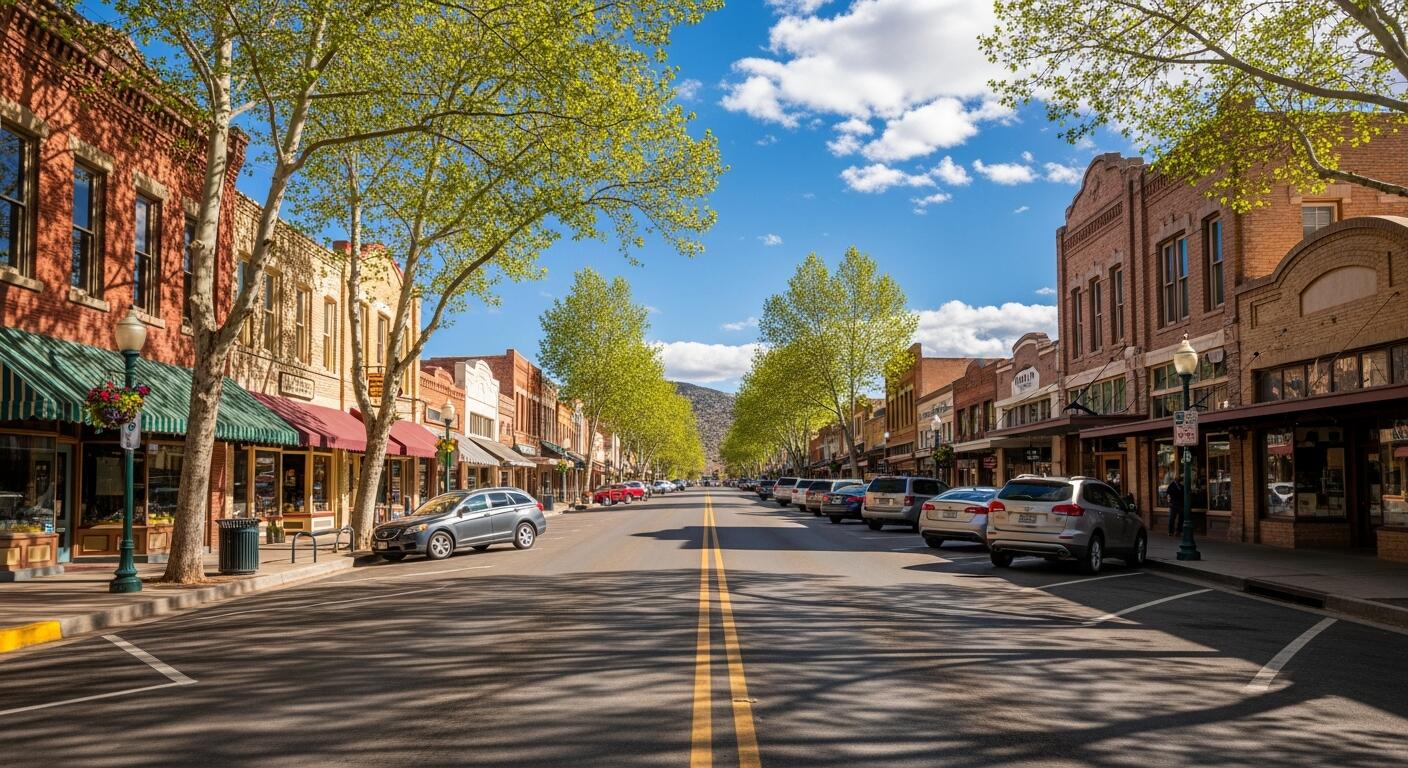
Payson, Utah — The Northern Gateway, and What You Get for Leaving Juab County Behind
Payson has grown 23% since 2020 into a real suburb of Provo. An honest look at the schools, cost of living, commute, and tradeoffs compared to towns in Juab County.
Read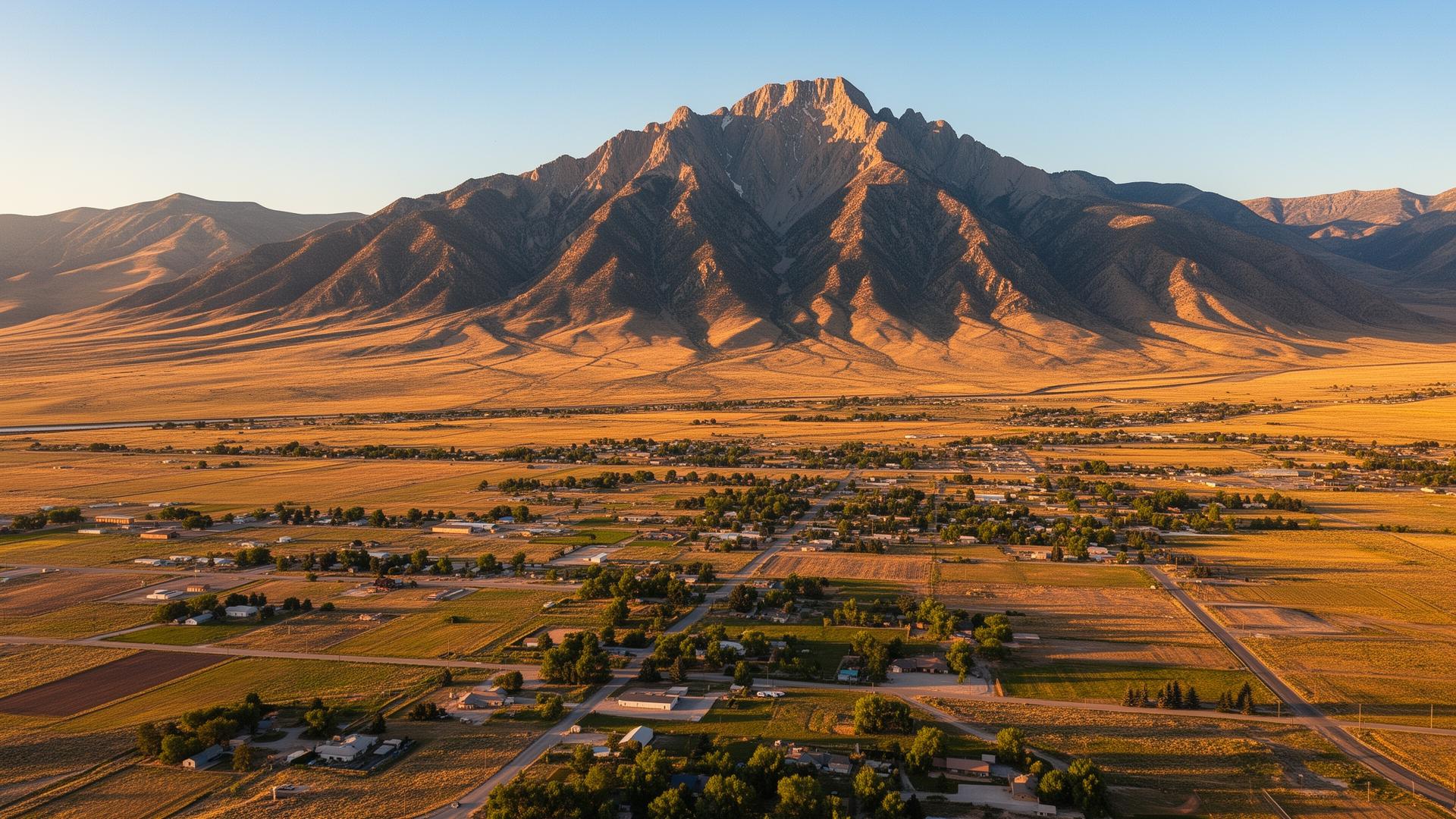
Local Guide
Nephi, Mona, and Levan, Utah — Same County. Three Different Lives.
Comparing towns in Juab County, Utah? An honest side-by-side guide to Nephi, Mona, and Levan — population, daily life, outdoor access, home prices, and who each town is actually right for.
Read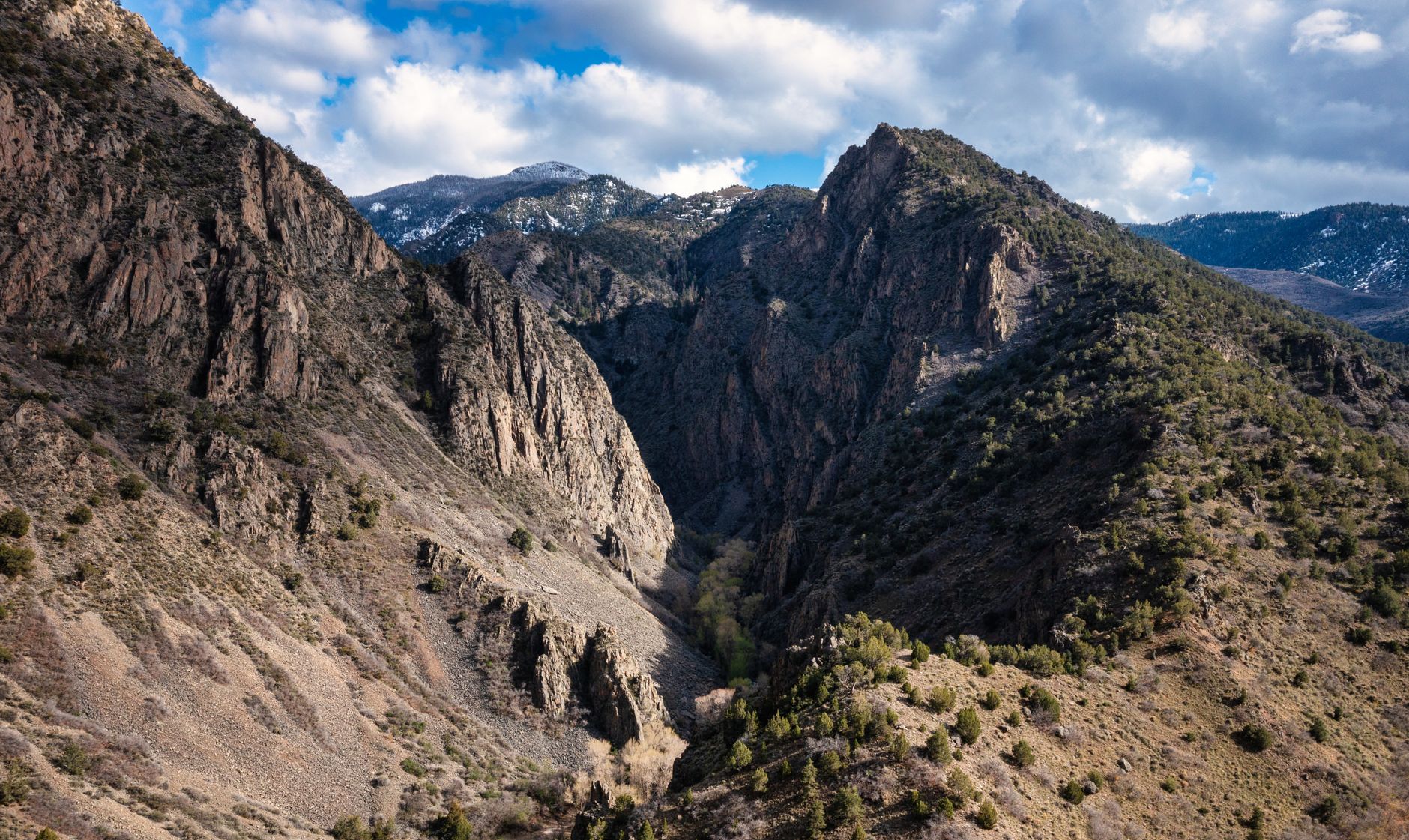
Town Guide
Rocky Ridge, Utah — Juab County's Fastest-Growing Town Has Almost No Commercial Anything
Rocky Ridge has no gas station, no fast food, no grocery store — and is Juab County's fastest-growing town. Here's why buyers keep choosing this specific piece of ground on the ridge between Juab and Utah counties.
Read