
Family & Community · Explore Central Utah
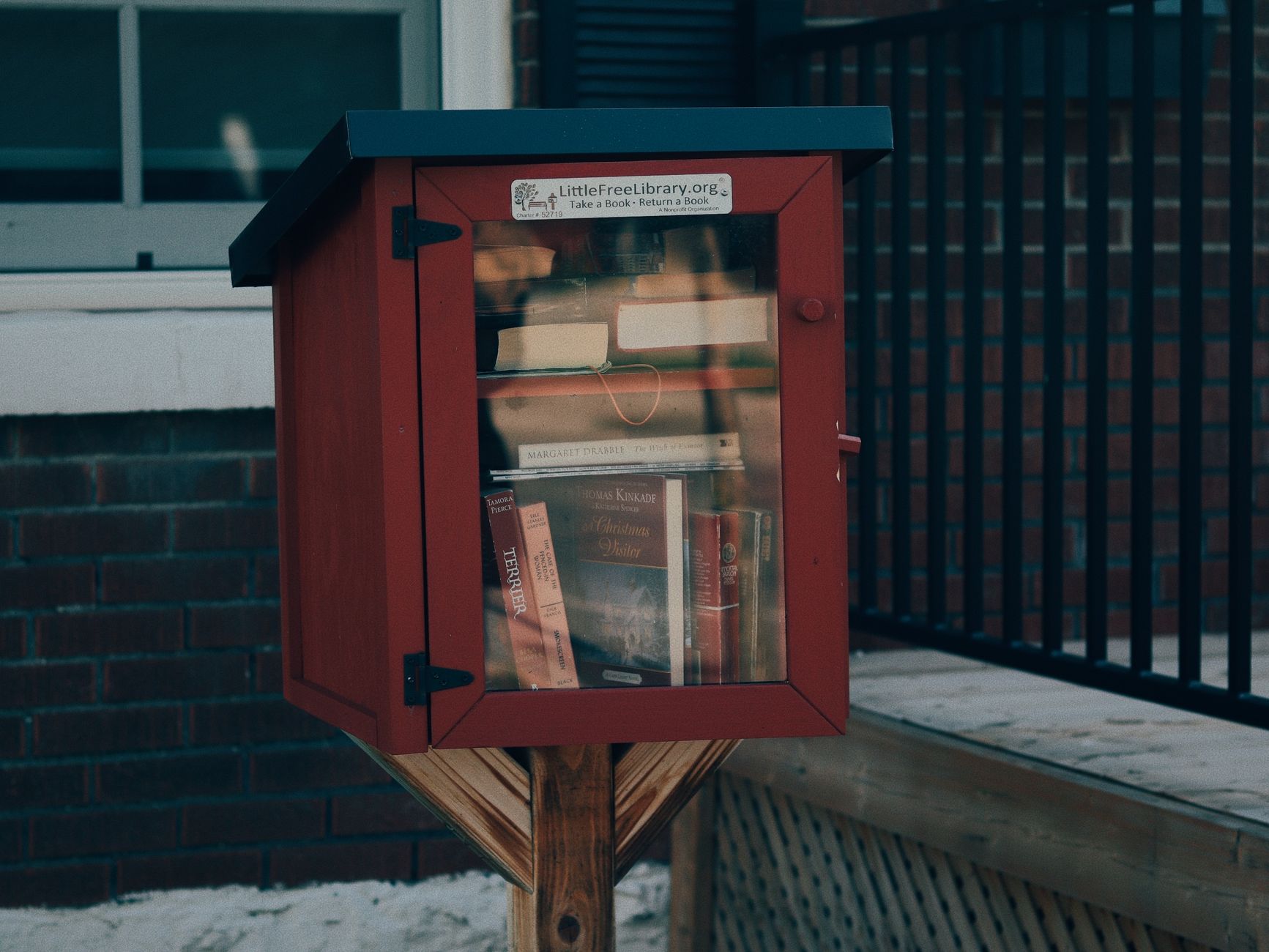
Little Free Libraries — our family's favorite thing to look for when we explore a new town.
How a tiny wooden box on a stranger's lawn turned into one of the best ways we know to get a real feel for a place we might move to — plus the free app that makes it easy.
My wife found the first one.
We were driving through a neighborhood — windows down, kids in the back, trying to get a feel for the streets before looking at a house nearby. She spotted a small wooden box on a post in someone's front yard, shaped like a tiny house, filled with books. She made me pull over.
That was the beginning of a family tradition we didn't know we were starting.
Little Free Libraries are small structures filled with books, placed in front yards, parks, and community spaces by neighbors who love reading and want to share it with their community. The concept is simple: take a book, leave a book. No library card. No due dates. No fee. Just books, available to anyone who walks by.
We bring books from home to replace the ones we take. The kids get to pick what they find. And every single time — we have no idea what we're going to discover.
This post is about why Little Free Libraries have become one of our favorite parts of exploring Central Utah — and why, if you're considering a move to a new town, finding them might tell you more about a community than any listing description ever could.
The basics
What is a Little Free Library?
The movement started in 2009 when Todd Bol, in Hudson, Wisconsin, built a small model schoolhouse as a tribute to his mother — a teacher who loved reading. He mounted it on a post in his front yard, filled it with books, and invited neighbors to take and leave them freely. The idea spread. Today there are more than 150,000 registered Little Free Libraries in over 100 countries.
Each one is maintained by a community steward — the homeowner, business, or organization that built and cares for it. They come in every shape and size: tiny houses, barns, painted boxes, creative builds by local craftspeople. No two are exactly alike. The motto is take a book, return a book — but there are no rules and no pressure. It runs entirely on community goodwill.
Finding them is easier than ever. The Little Free Library organization maintains a searchable map and an official free mobile app on both iOS and Android that makes locating libraries before — or during — any visit simple.
Local Realtor note
My wife checks the Little Free Library app before we explore any new neighborhood. It takes about two minutes and it turns any neighborhood drive into something the kids are genuinely excited about.
The free tool that makes it easy
Download the app before you go.
The official Little Free Library app, free on iOS and Android, is the easiest way to find Little Free Libraries wherever you are. It uses your current location — or lets you search by city, state, or zip code — to show every registered library nearby on a map.
Beyond finding locations, the app lets you get step-by-step directions to any library, build a custom route with multiple stops, save favorites, check in at libraries you visit, and sign a digital guest book at each location to leave a note for the steward and read what other visitors have said.
Before you visit Nephi, Mona, Salem, Santaquin, Payson, or anywhere along the corridor, pull up the app and look at which neighborhoods have registered libraries. It gives you an organic route through residential streets that feels like exploration rather than research — and that is exactly what a family considering a move needs.
The Little Free Library app — at a glance
- App name
- Little Free Library
- Developer
- Little Free Library, Ltd.
- Available on
- iOS (App Store) and Android (Google Play)
- Cost
- Free
- Features
- Find by location or zip code · Get directions · Build multi-stop routes · Save favorites · Track visits with check-ins · Sign guest books
- Web map
- littlefreelibrary.org/map
Download the app before your next neighborhood drive. Search the town you're considering, find the libraries nearest to the homes you want to see, and build a route that takes you through the streets instead of past them.
For the kids
Why kids love them.
You genuinely never know what you're going to find. Board books and picture books. Chapter books and middle-grade novels. Classic novels. Local history pamphlets. Cookbooks. Kid craft books. Paperback mysteries. The variety is completely unpredictable — and that unpredictability is exactly what makes it exciting for children. Our kids have found books they had never heard of that became immediate favorites — discovered purely because they were sitting in a small wooden box on someone's front lawn.
Then there's the ritual of it: the walk up to the box, opening the door, looking through what's inside, deciding what to take, choosing what to leave from the bag we brought from home. It turns a neighborhood drive that might feel boring into a small adventure they talk about for the rest of the day. No screens required.
And there's ownership in the finding. Kids who pick their own book from a Little Free Library are more invested in reading it than one handed to them from a shelf. It was their discovery, their choice, their book.

We let each kid pick one book. We bring a bag from home with books to leave behind. It takes ten minutes and they talk about what they found the rest of the drive.
Reading a neighborhood
What Little Free Libraries tell you about a community.
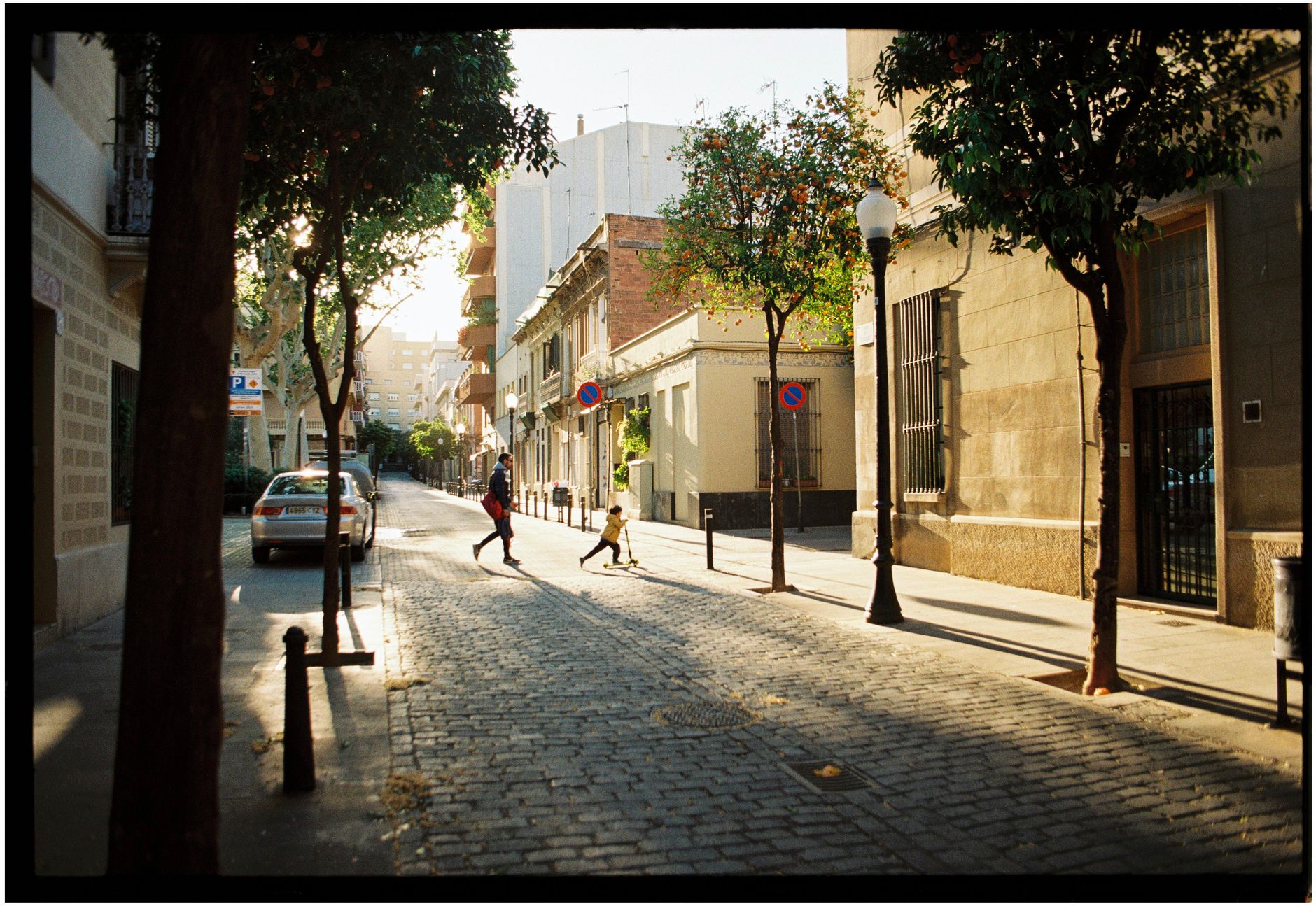
A Little Free Library doesn't appear on its own. Someone built it, painted it, mounted it, stocked it, and maintains it. That takes time, intention, and a genuine belief that sharing something with strangers in your neighborhood is worth doing. A neighborhood with well-maintained Little Free Libraries — freshly stocked, clean, cared for — is a neighborhood where people pay attention to each other. That is useful information for a family deciding where to put down roots.
The condition of a library also tells you something. One overflowing with carefully selected books, painted with care, and tended regularly is different from one that has been neglected or left empty. Neither tells the complete story of a community — but both tell you something real. We pay attention.
For families evaluating a move to Nephi, Mona, Salem, or anywhere along the Central Utah corridor, exploring on foot — stopping at Little Free Libraries, walking the neighborhoods instead of just driving them — gives you a feel for a place that no listing photo can replicate. You see the yards. You notice how people keep their streets. You might even meet a neighbor. That is the kind of information that matters when you are choosing a community, not just a house.
A neighborhood with well-maintained Little Free Libraries is a neighborhood where people pay attention to each other. That matters when you're choosing a community, not just a house.
How we do it
Our family's routine, step by step.
- 01
Open the app the night before
Download the Little Free Library app (free on iOS and Android) and search the town you plan to visit. Look at which neighborhoods have registered libraries nearby and pick two or three to hit. You don't need a tight plan — just a general area to start.
- 02
Pack a bag of books before you leave
Gather books from home that are in good condition — children's books, paperbacks, anything worth passing on. Bring one per kid plus a couple extras. The act of leaving something is just as important as taking something, and it teaches kids that community sharing works both ways.
- 03
Let the kids navigate
Once you're in the neighborhood, hand the kids the phone and let them watch the map. They become the navigators. They spot the pin on the map. They tell you where to turn. They lead the walk to the box. This makes them participants in the exploration instead of passengers.
- 04
Take your time at the box
Step back when the kids get to the library. Let them open the door themselves. Give them time to look through every book without rushing. The slower you move, the better the experience.
- 05
Look around while they look inside
While the kids are deciding, look at the neighborhood. What do the yards look like? Is the library well-maintained? Are people outside? Is the street quiet or active? Is the library stocked with books someone clearly chose — or is it random? These observations add up.
- 06
Sign the guest book in the app
After you visit, open the app and sign the digital guest book for that library. Leave a note for the steward. The kids love this part — writing a tiny message for a stranger who left books for them.
Local Realtor note
Some of the best conversations I've had with buyers happened when we stopped at a Little Free Library during a neighborhood drive. The books inside, the way the box is painted, the yard it sits in — it all starts a conversation about what kind of place this is and whether it fits their family.
If you're thinking about moving
Why this matters if you're considering a move.
My wife started this tradition. She is the one who spotted the first one, made me pull over, and stood at that box for ten minutes with the kids going through every book inside. Now it is part of how we explore. When we drive a new neighborhood — whether it is for a showing, a scout, or just a Saturday afternoon — she checks the app first.
We bring books every time. The kids each pick one to take. We leave two behind. It is a small ritual, but it is ours. And every town we have explored this way — Nephi, Mona, Salem, Levan, Santaquin — we know a little better because of it. Not from the data. From the walk.
If you're driving through a town trying to decide if it could be home — park the car and walk to a Little Free Library. What you find on the walk matters as much as what's in the box.
Give back to the neighborhood
How to start one in your own neighborhood.
If you move to a new community and want to contribute to it, building and registering a Little Free Library is one of the simplest and most visible ways to do it. You can build your own box or purchase a pre-built one from the Little Free Library organization. Once built, register it at littlefreelibrary.org to get your official charter number and appear on the map and in the app.
The cost varies — building your own can be very affordable, and pre-built options are available at a range of price points. Once it is up, it is yours to stock and maintain. Some stewards stock theirs with a specific theme. Others take whatever they have. There are no rules beyond keeping it open to anyone who walks by.
A Little Free Library in your front yard is one of the fastest ways to meet your new neighbors. Every person who stops at that box is someone who lives near you and loves books. That is a good start.
Common questions
Little Free Library FAQs.
Why I send buyers here
The best read on a community happens on foot.
When buyers ask me what a town actually feels like, this is part of how I help them find out. Open the app. Pick a few libraries. Walk the streets between them. By the time you get back to the car, you'll know more about the neighborhood than any data sheet could tell you — and the kids will be holding a new book. If that sounds like a good afternoon, we should plan one together. Get in touch and we'll map a route.
Disclaimer: Little Free Library is a registered organization. App features and availability may change — verify current details at littlefreelibrary.org. This post is not sponsored by or affiliated with Little Free Library, Ltd. Dana Hoyt is a licensed Realtor® in Utah with Summit Keys Real Estate and Real Brokerage, LLC The Perry Group.
Worth reading next
- What it's like to live in Nephi, Utah
- What it's like to live in Mona, Utah
- What it's like to live in Salem, Utah
- Living in Levan, Utah
- Talk to Dana about exploring Central Utah
