
Levan · Juab County · Local Guide
Living in Levan, Utah — The Honest Guide for Buyers Considering Juab County's Most Rural Town
A small agricultural town of about 938 people, 14 miles south of Nephi, with two canyons at the edge of town and the most affordable entry point in Juab County. Here's what daily life actually looks like — and the real tradeoffs.
Why Levan is worth a second look
Most people drive right past Levan on I-15.
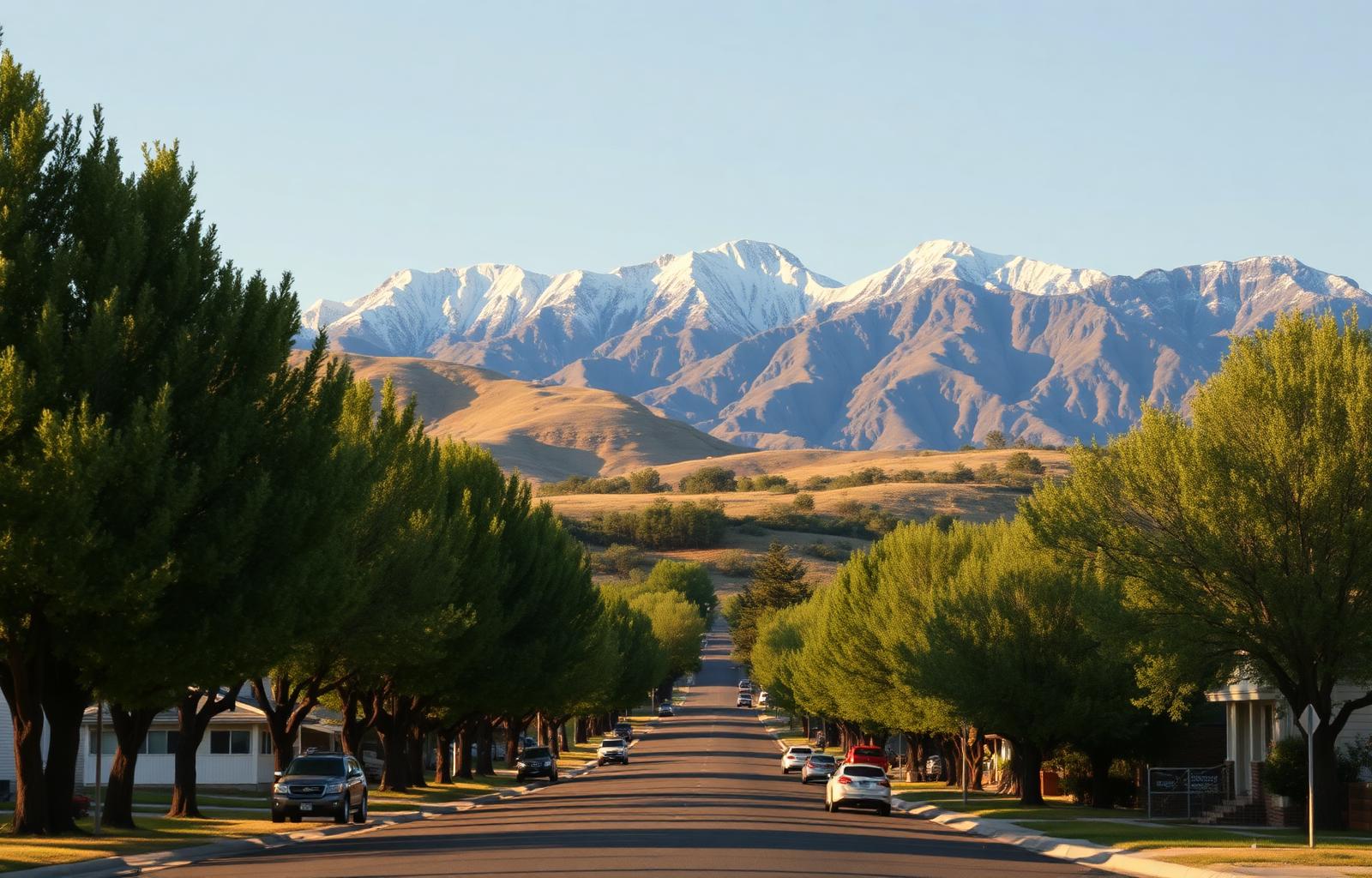
Levan is a small town of approximately 938 people located about 14 miles south of Nephi in Juab County, Utah — sitting at the base of the mountains with two canyons flanking the town to the east and black locust trees lining streets that were planted by the town's original settlers in 1868.
It is not the first town buyers think of when they research Juab County. It is not the easiest town to live in. And it has the most limited inventory of any town in the county.
But for the right buyer — it is also the most affordable entry point in Juab County, with canyon access from the front door and a genuinely rural pace of life that people in Nephi and Mona will tell you is a different world.
This guide covers what daily life actually looks like in Levan, what you can buy, and what the honest tradeoffs are.
All real estate data is sourced from UtahRealEstate.com MLS reports for May 2026 and public property records and is provided for general informational purposes. Data should be independently verified. Market conditions change.
Section 1 · The Town
What kind of town is Levan, Utah?
Levan is a small agricultural town settled in 1868 at the base of the mountains south of Mt. Nebo in central Juab County. The name is commonly said to be "navel" spelled backwards — a reference to its location near the geographic center of Utah. Current population is approximately 938 and growing slowly at about 1.3% annually. The town covers less than one square mile, and the homeownership rate is approximately 94% — almost every resident owns their home.
The community feel is agricultural, tight-knit, conservative, and quiet. The original settlers planted hundreds of black locust trees that still line the streets of Levan today — a distinctive local detail that gives the town an unusually tree-lined character for a rural Utah community.
What makes Levan distinctive is the two canyons. Chicken Creek Canyon and Pigeon Creek Canyon flank the town to the east and provide direct access to OHV riding, fishing, camping, and hiking from the edge of town.
Section 2 · The People
Who lives in Levan, Utah?
The demographic character of the town skews young — median age of approximately 30, heavily family-oriented, with roughly 50% of households having children under 18. Manufacturing, retail trade, and education are the primary employment sectors for residents, and many commute to Nephi or further north.
The homeownership rate of 94.2% reflects a community where people have put down roots rather than passing through. Turnover is low, and homes tend to stay in families or trade hands quietly.
Common buyer profiles for Levan look like this:
- Buyers who want the most rural lifestyle available in Juab County at the lowest price point
- Agricultural or hobby farm buyers who want space and animal rights
- OHV and outdoor lifestyle buyers who want canyon access from home
- Remote workers who want genuine rural living at an affordable price
- Buyers priced out of Nephi or Mona who need the lower entry point
Section 3 · The Homes
What can you actually buy in Levan?
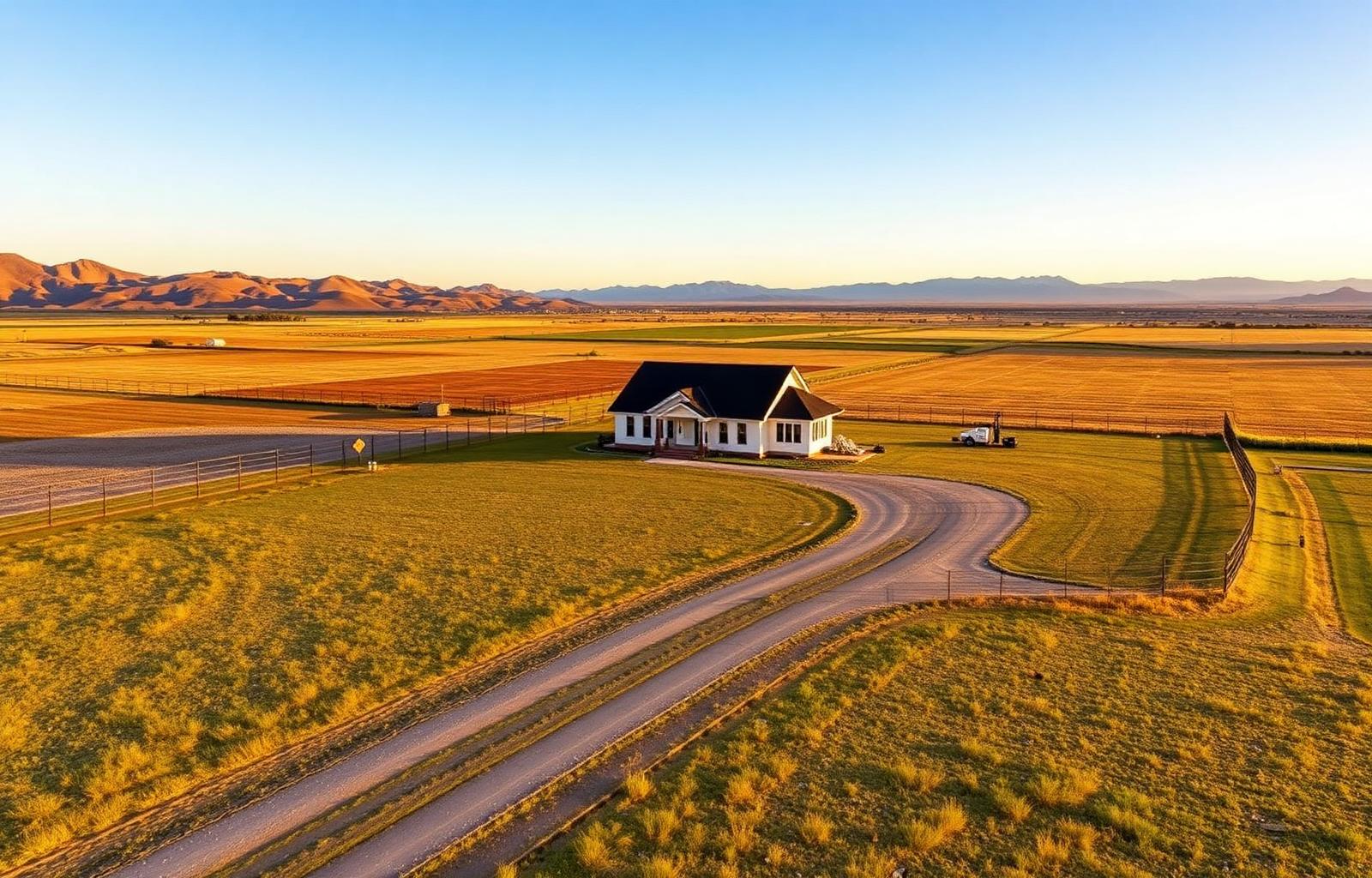
The housing stock is primarily single-family detached homes — many on larger lots with room for outbuildings, animals, and storage. Levan is a small town and properties come available infrequently. When they do, they move.
The median home value is approximately $405,000 based on available public records, making it the most affordable entry point in Juab County. The cost of living index for Levan is approximately 82.6 — well below the national average of 100.
Rural property requires due diligence: septic, well water, irrigation, zoning, internet access, and road access should all be verified before purchase. None of these are deal-breakers — but none of them are assumptions you can make.
Source: Public property records and UtahRealEstate.com MLS data May 2026. Verify all figures with a licensed Realtor.
Section 4 · Daily Life
What is daily life like in Levan?
Daily life in Levan is shaped by what is not here as much as what is. Here's the practical reality across the categories that matter most.
Groceries & Shopping
There is no grocery store in Levan. Residents drive to Nephi — about 14 miles north — for groceries and daily needs. Big-box retail means Payson Walmart (~42 miles) or Spanish Fork Costco (~52 miles). Daily life here is organized around planned trips, not spontaneous errands. Online delivery fills many gaps.
Healthcare
Central Valley Medical Center in Nephi — about 14 miles north — is the primary healthcare resource. It is a full-service hospital with emergency services, surgical capabilities, and specialty clinics. More specialized care is available in Utah County.
Schools
Juab School District serves Levan. Elementary-age students attend school locally. Older students travel to Nephi for Juab Junior High and Juab High School. Verify current school assignments directly with Juab School District.
Internet
Internet service quality and provider availability varies significantly by address in Levan. Remote workers and buyers who depend on reliable internet for work should confirm service availability at specific addresses before purchasing. This is one of the most important due diligence steps for rural property buyers.
Commute from Levan
Section 5 · The Outdoors
Outdoor access from Levan
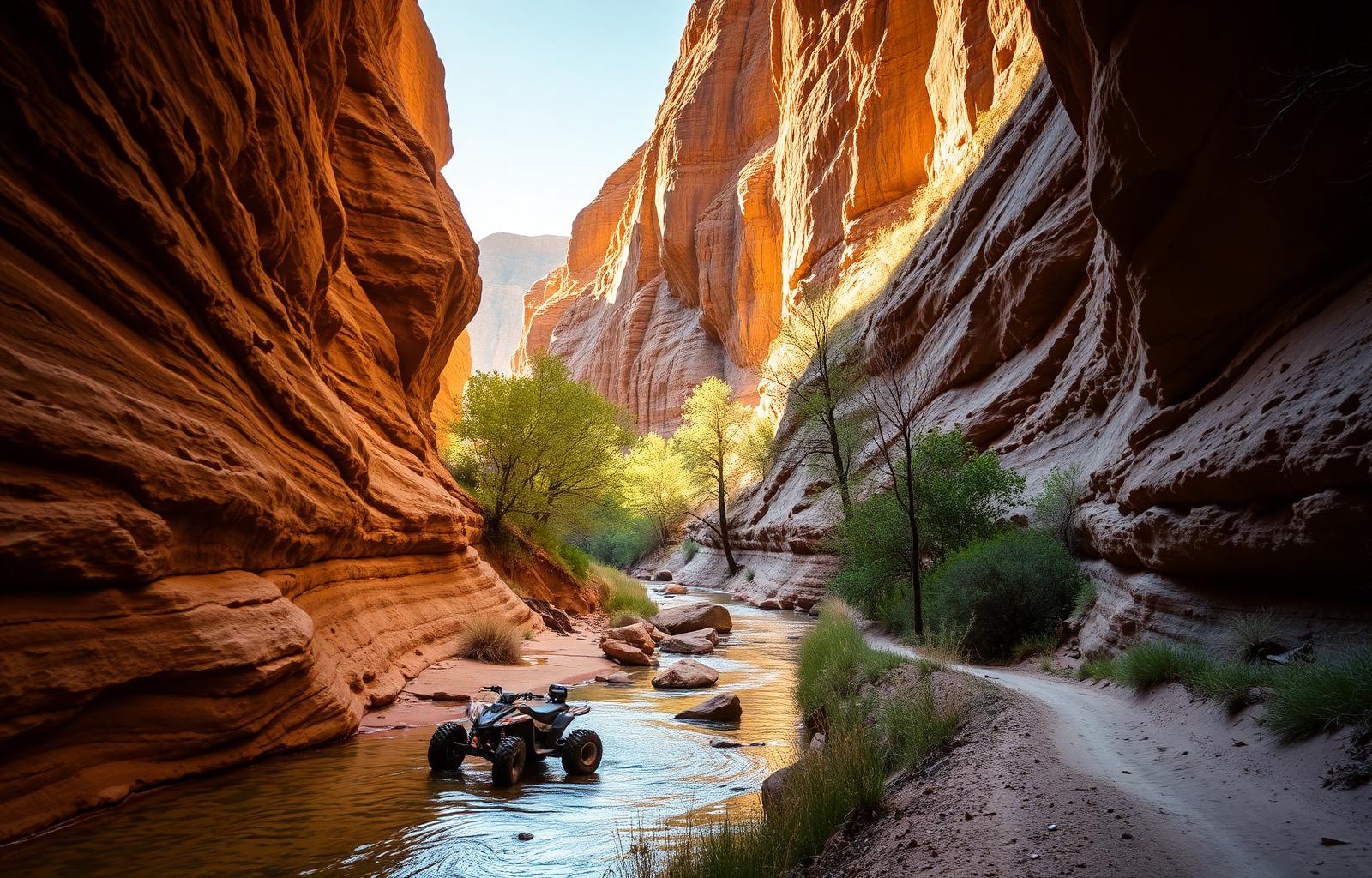
Chicken Creek Canyon and Pigeon Creek Canyon flank the east side of Levan and provide direct access to OHV trails, fishing, dispersed camping, and hiking. This is the most immediate and distinctive outdoor access point for any town in Juab County — most residents can be in the canyons within minutes of leaving their driveway.
Beyond the canyons: Yuba Lake State Park is approximately 16 miles north for boating, fishing, and camping. The Nebo Loop Scenic Byway is accessible via Nephi for mountain driving and hiking. And Little Sahara Recreation Area is about 45 minutes west for sand dunes and OHV.
The broader point: Levan's outdoor access is genuinely different from Nephi and Mona because the canyons are immediate. They are right there. Buyers who prioritize this lifestyle over daily amenity access find that Levan fits differently than it appears from the outside.
Section 6 · The Tradeoffs
The honest tradeoffs of living in Levan
You will drive for everything.
Groceries, healthcare, restaurants, entertainment, and most retail require leaving town. This is not a minor inconvenience — it is the daily reality of living in Levan, and buyers should plan for it before purchasing.
Internet is not guaranteed.
Rural connectivity varies significantly in Juab County. Buyers who work remotely or depend on reliable internet must verify service at the specific property address before making an offer. Do not assume.
Inventory is the thinnest in the county.
Waiting for a specific type of property in Levan requires patience. When something becomes available, buyers who are prepared — pre-approved, clear on what they want, working with a local agent — are the ones who get it.
What you get in return.
The most affordable entry point in Juab County. Canyon access from the front door. A town so small and quiet that the pace is genuinely different. Black locust trees that have lined those streets for over 150 years. A community that has stayed agricultural and rural through decades of Utah growth pressure. For the right buyer — all of that is exactly the point.
FAQ
