
Resources · Landowners · Utah
Someone tried to sell a $950,000 property they didn't own.
What landowners need to know about seller impersonation scams — told through a lead that came through my own website.
A few days ago, I received a lead through my website that looked, at first glance, like a fairly normal real estate opportunity.
A man contacted me claiming to own a 10-acre parcel in Park City worth roughly $950,000. He said he needed to sell quickly because of family circumstances, and he wanted to price the property aggressively to get it moved as soon as possible.
What happened over the next several days was a reminder that real estate scams are getting more sophisticated — and that verifying the person matters just as much as verifying the property.
This article is for educational purposes and is not legal, title-insurance, or law-enforcement advice.
How it started
The lead looked legitimate.
The person contacting me gave me the name of the property owner. When I checked the public information, the name matched the owner associated with that parcel.
He asked me to prepare a CMA. He also told me he preferred to communicate by phone, text, or email rather than meeting in person.
That was my first warning sign.
Then I looked more closely at the email address. It was essentially the owner's name with a string of numbers tacked onto the end. That was the second red flag. At that point I looped in someone on my team and started digging.
The unraveling
The phone number didn't match.
I ran the phone number through FOREWARN. The results came back associated with a completely different person.
That was enough for me to stop treating this like a routine listing appointment. I contacted the title company and asked them to look harder at the property and the ownership record.
The title information showed that the phone number and email address being used by the person contacting me did not match the legitimate contact information tied to the actual property owner.
The phone call
I contacted the real owner's family.
I found a legitimate phone number in the property records and called it. The actual owner's father answered.
He explained that he and his son owned several properties in the area — and they were not selling this one, or any of the others. He asked me to contact law enforcement and make them aware of what was happening.
At that point it was clear I wasn't dealing with a potential seller. I was dealing with someone attempting to impersonate the owner.
The part that surprised me
The scammer didn't stop.
Almost immediately after I spoke with the owner's family, the scammer contacted me again. He said he liked the CMA I'd prepared and was ready to move forward.
So I asked for additional identification and documentation before proceeding. He sent me a driver's license.
And this wasn't an obviously ridiculous fake. It looked convincing at first glance. Some of the information on it even matched what was available through the property records.
I sent it to the police. They ran the license. It was fake.
How far they were willing to go
- •Found a real property with real value.
- •Identified the actual owner through public records.
- •Used the owner's real name in every conversation.
- •Built a believable story about why it had to sell fast.
- •Communicated with me over multiple days.
- •Reviewed the CMA I prepared and asked to move forward.
- •Produced a fraudulent driver's license when pressed for ID.
And they were prepared to sell roughly $950,000 worth of land they didn't own. That's a completely different level of sophistication than the scams most people picture.
Why land
Vacant land is especially vulnerable.
If you own a home, there's usually someone living in it. A neighbor notices unusual activity. There are utilities, maintenance, mail — signs of life.
But a 10-acre parcel sitting several hours away from its owner? That can go unwatched for years. A scammer may be able to advertise it, talk to buyers and agents, and push a transaction forward before the real owner has any idea something is happening.
The FBI has specifically warned about criminals impersonating property owners to sell vacant land and other properties without the owner's knowledge.
Practical steps
What landowners can do right now.
You don't have to wait until something happens to start protecting your property.
01
Sign up for property record alerts
Ask your county recorder or clerk whether they offer a property-watch or recording-alert service. These programs notify you when a deed, lien, or other document is recorded against your parcel. An alert won't necessarily stop a fraudulent transaction, but it can surface suspicious activity far sooner than you'd find it on your own.
02
Keep your contact information current
Make sure the county has your current mailing address and phone number — especially for vacant land, investment property, inherited property, recreational parcels, or anything far from where you actually live. Don't make it hard for the county, a title officer, or an investigator to reach you.
03
Check your property records periodically
Don't assume that because you haven't done anything with your land, nothing has changed. Pull up the county records once or twice a year and verify that ownership and the recorded documents still look the way they should.
04
Keep an eye on the land itself
Drive by occasionally, or ask someone nearby you trust to look in on it. A new For Sale sign, fresh survey stakes, construction equipment, or unexpected visitors are all worth a phone call.
05
Search for your property online
Every so often, search your address, parcel number, or legal description. You may find your own land advertised for sale by someone you've never met.
06
Understand your title insurance
If you hold an owner's title policy, ask your title company what it actually covers in a fraud or fraudulent-transfer scenario. Coverage varies. Ask the question before you need the answer.
The takeaway
Don't assume nobody would want to steal it.
The property doesn't have to be a $5 million luxury home in a major city. It doesn't even have to be complicated. If it has real value, someone may see an opportunity.
And the unsettling part is that the scammer never needs to physically set foot on the land. They only need enough information to convince other people that they are you.
A name matching the public record isn't enough. Neither is a phone number, an email address, or even a driver's license.
As real estate professionals we're trained to watch the details. But this one reinforced something every agent and every landowner should carry: when something feels wrong, slow down. Verify the person. Verify the ownership. Verify the contact information. Bring in the title company and law enforcement when the pieces don't line up.
In this case, several small inconsistencies added up to one very big problem. I'm grateful to my team, the title company, and the Park City Police officers who helped investigate and stop a fraudulent transaction before it moved forward.
Because apparently, someone doesn't need to own your land to try to sell it.
If you own land in Utah
Start with your county recorder.
If you're a landowner in Utah and you're concerned about protecting a vacant parcel, start by asking your county recorder or property records office whether they offer recording alerts or a property-watch program.
And if you ever receive a notice about a deed, lien, or other document you don't recognize — don't ignore it. Investigate it immediately.
If you'd like a second set of eyes on a parcel you own in Juab County, Utah County, or anywhere in Central Utah, I'm glad to help you think it through.
Questions landowners ask
Seller impersonation scams — FAQ.
Share this post
Related posts
Keep reading
Resources
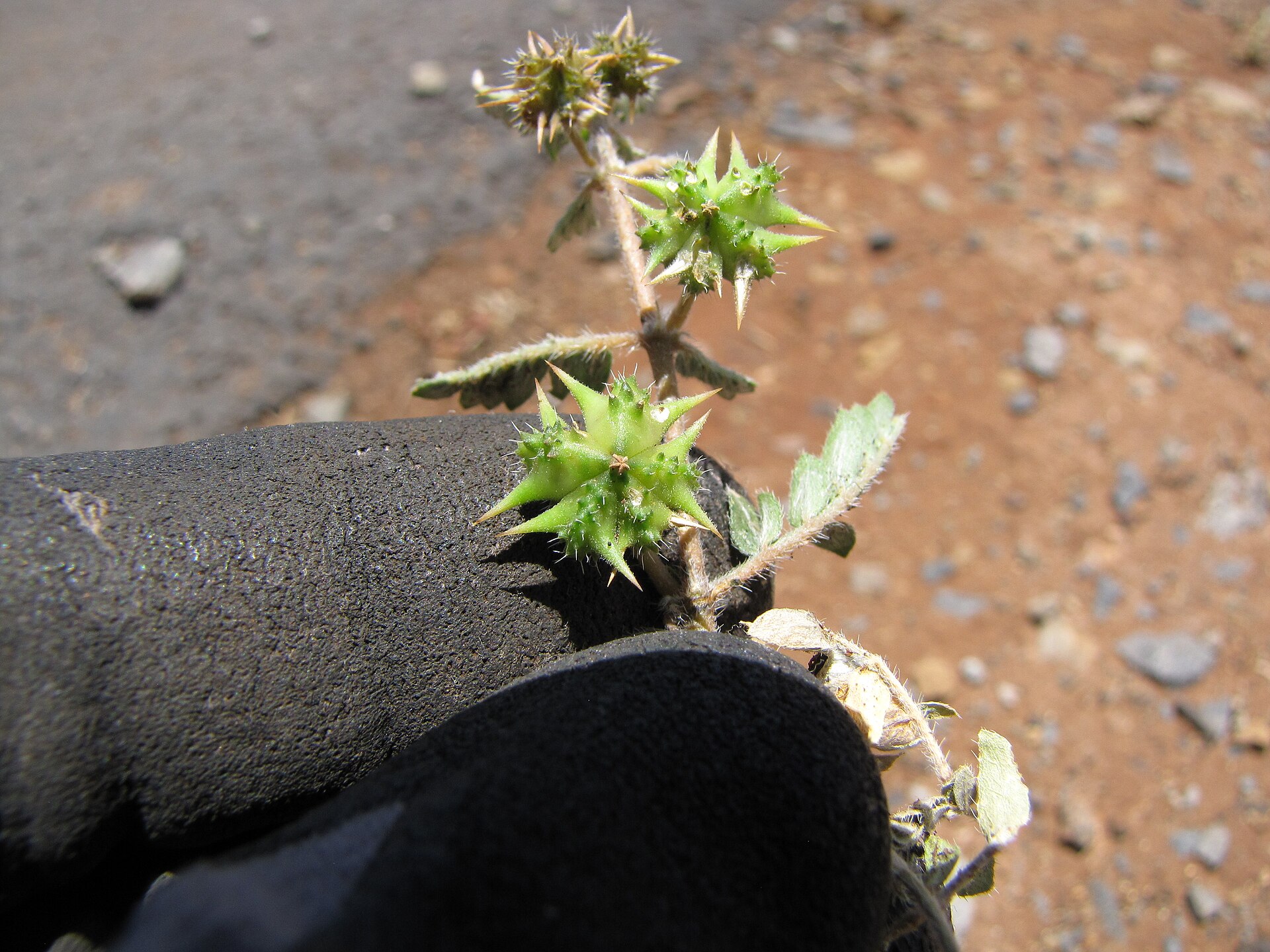
The Goat Heads of Real Estate
Tiny. Annoying. And somehow they always find you. From pre-approval paperwork to the 27-page inspection report, here are the 10 little thorns of buying and selling a home in Utah — and how to avoid stepping on them.
Read
Selling
Is Your Home Overpriced? Buyers Will Tell You
Your list price is a strategy. Buyer behavior — clicks, showings, second showings, and offers — is the feedback that tells you whether that strategy is working. Here's how to read the signals.
Read
Selling
There Are No Bad Houses — Only Bad Pricing: A Seller's Guide to Getting It Right
The market doesn't reject homes — it rejects prices. Here's what actually drives your home's value, five things to do before you set a list price, and the real cost of overpricing.
Read