
Selling · Spanish Fork to Nephi
Can I Sell My Home Without a Realtor?
By Dana Hoyt · October 12, 2026 · 7 min read
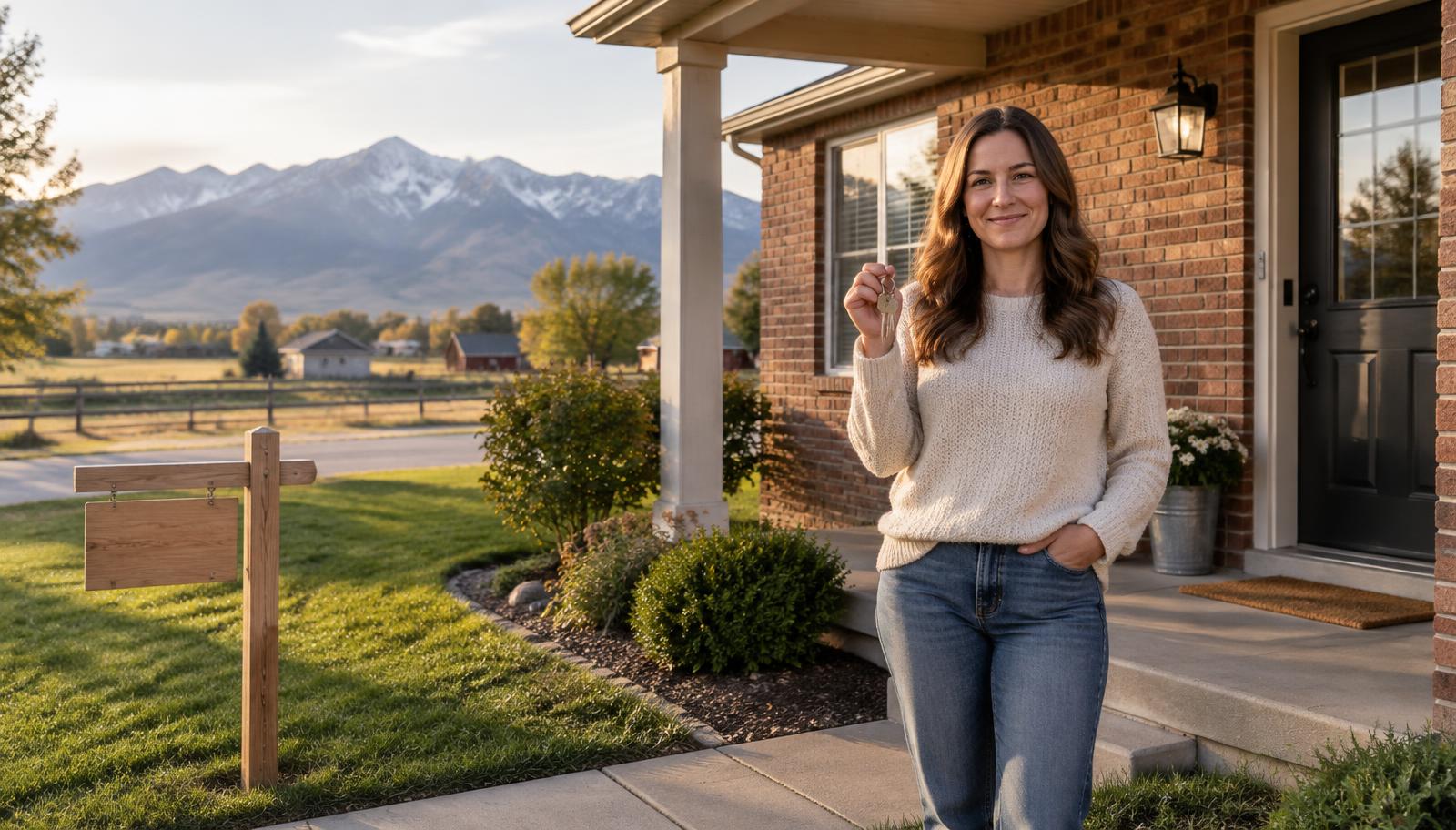
Yes, you can sell your home without hiring a Realtor. It's commonly called selling "for sale by owner," or FSBO.
The appeal makes sense. Selling a home involves expenses, and reducing the fees could leave you with more money.
As a Realtor, I'm not going to tell you that selling on your own can't work. It can.
But before deciding, look beyond the commission. What will you keep after the sale, and what work will you take responsibility for along the way?
Setting a price takes more than checking the neighbors
You know what you paid for your home. You know what you've invested in it. And you probably have a number you would like to walk away with.
Buyers will compare your home with the other options available to them.
Your neighbor's asking price can help you understand the competition, but it doesn't establish what your home will sell for. Recent closed sales provide stronger evidence, especially when you account for condition, location, lot size, usable space, and concessions.
An updated home across town may not be a useful comparison for yours. Neither is a home that has been sitting on the market at a price buyers haven't accepted.
Starting too high can cost you time and carrying expenses. Starting too low can leave money behind. You need a price supported by the market and a plan for responding to buyer feedback.
Buyers need a reason to schedule a showing
Putting a sign in the yard and posting online can generate interest. Turning that interest into showings takes preparation.
Buyers want clear photos, accurate information, and enough detail to decide whether your home deserves a visit.
Consider what they'll see first:
- Does the photography show the rooms clearly?
- Is the home clean and ready to show?
- Does the description answer practical questions?
- Can buyers easily schedule a visit?
- Are inquiries being answered promptly?
Along the Spanish Fork to Nephi corridor, useful details might include garage space, storage, yard layout, HOA costs, and access to major roads.
Claims about rental potential, additional building space, or permitted improvements should be verified before you advertise them.
You become the point of contact
When you sell yourself, you handle the calls, messages, showing requests, and follow-up.
Some people will be serious buyers. Others will be early in their search. You'll need a process for arranging access, protecting your belongings, and evaluating offers.
A buyer saying they can afford your home is different from providing financing documentation. Even a preapproval is not a guarantee that the purchase will close.
Decide how you'll assess each buyer's readiness and coordinate with their lender while respecting their privacy.
The highest offer may not leave you with the most money. Read the entire offer — the price, what the buyer asks you to pay, and whether the schedule fits your plans.
The highest offer may not leave you with the most money
Price matters, but you need to read the entire offer.
Consider this hypothetical example:
| Offer | Purchase price | Requested seller contribution | Amount before other seller expenses |
|---|---|---|---|
| A | $450,000 | $10,000 | $440,000 |
| B | $445,000 | $0 | $445,000 |
The lower-priced offer leaves more before other expenses in this example. Financing, contingencies, repairs, and timing could still change which offer works best.
Look at what the buyer is asking you to pay, what conditions must be met, and whether the closing schedule fits your plans.
If you're buying another home, those dates can matter as much as a small difference in price.
Negotiations continue after you accept an offer
An accepted offer starts the next stage of the transaction.
An inspection may lead to repair requests. An appraisal may come in below the agreed price. Financing may be delayed.
You'll need to evaluate what the contract allows and decide how to respond.
For a repair request, that might mean getting a contractor's estimate, negotiating a credit, completing agreed work, or declining the request. Any agreement should clearly describe the terms.
If you make a concession to keep the transaction moving, understand how it affects your proceeds before agreeing.
Selling yourself doesn't remove the paperwork
You still need accurate disclosures, a clear purchase agreement, and compliance with applicable requirements.
Read the contract you sign, including its disclosure obligations and deadlines. Gather relevant records, such as HOA documents, warranties, and information about improvements.
If you're unsure how to address water intrusion, a boundary dispute, unpermitted work, or another property issue, get qualified advice. A Utah real estate attorney can help with legal questions.
A title company performs important title and closing work. Clarify its services rather than assuming it will advise you on pricing, negotiations, or your legal obligations.
Avoiding a listing fee doesn't eliminate every expense
Selling yourself may reduce what you pay for representation. You may still have expenses for photography, advertising, listing services, legal advice, title and closing services, repairs, and buyer concessions.
A represented buyer may also request that you contribute toward their agent's compensation. That is a negotiable term to evaluate, not an automatic requirement. Real estate compensation is negotiable. (NAR)
If you consider a flat-fee listing service, read what it includes. Find out who handles inquiries, offer review, negotiations, and transaction coordination.
Build an estimated net sheet using actual quotes. Include your mortgage payoff and other property obligations so you can compare what you might keep under each approach.
Estimated net sheet
What might I keep?
Start with the numbers that don't change between approaches, then fill in each side. The sample numbers are hypothetical — swap in your actual payoff and quotes.
Selling on my own
Selling with an agent
Both approaches come out the same with these numbers.
Estimates only — not a valuation of your home or a quote. No fee is fixed; real estate compensation is negotiable. Nothing you type here is saved or sent.
When selling without a Realtor may make sense
You may already have a qualified buyer. You may understand the local market, have time to manage the transaction, and feel comfortable hiring professionals for specific tasks.
Selling on your own may be more demanding if you need broad marketing, live out of the area, are coordinating another purchase, or have complicated property issues.
Be honest about the time you can give the sale and the parts where you'll need help.
What should a Realtor bring to your sale?
If you hire an agent, ask for a specific plan.
How will they determine the price? What preparation do they recommend? How will they market the home, handle inquiries, evaluate offers, and manage negotiations?
Ask how often you'll receive updates and how they'll respond if the home isn't getting showings or offers.
No agent can guarantee a higher price or a smooth closing. Their value should be clear in the services they provide.
You can sell without a Realtor. The decision should come down to your likely proceeds, the work involved, and the support you want throughout the sale.
Thinking about selling between Spanish Fork and Nephi?
Reach out. I'll explain my selling plan and help you review the numbers so you can make an informed decision.
Talk with meDollar examples in this article are hypothetical and are not estimates of your home's value or selling expenses. This article is general information, not legal advice. For questions about your rights or contract language, consult a Utah real estate attorney.
Share this post
Related posts
Keep reading
Buying
Can I Buy a Home Without a Realtor?
Yes, you can. But before you skip the agent, here's what responsibilities you take on, who the listing agent works for, and whether the savings actually stay in your pocket.
Read
Selling
Is Your Home Overpriced? Buyers Will Tell You
Your list price is a strategy. Buyer behavior — clicks, showings, second showings, and offers — is the feedback that tells you whether that strategy is working. Here's how to read the signals.
Read
Selling
What Utah Sellers Are Required to Disclose — And the Part Most Sellers Get Wrong
Utah sellers are required to disclose known material defects — including past repairs. Here's what the law actually requires, what "knew or should have known" means, and what you're not required to disclose.
Read