
Matt Ott · Mammoth Heating & Air
Repair or Replace? Don’t Make a $10,000–$20,000 Decision Without Asking Questions
I sat down with Matt Ott to talk about the heating and cooling decisions homeowners shouldn’t have to make in the dark.
7 min readBy Dana Hoyt · October 14, 2026
One of the most frustrating situations for homeowners is being told they need an entirely new heating or cooling system when they weren’t expecting that expense. But is replacement always necessary? Not necessarily.
That’s the conversation I wanted to have with Matt. The furnace in the basement and the air conditioner outside are easy to ignore—until they stop working. Suddenly you’re trying to understand equipment, repair options, and a major expense all at once.
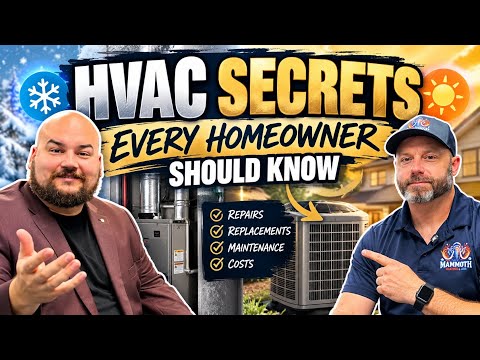
Watch my full conversation with Matt, or open the interview on YouTube.
Before you agree to replace it
Understand what failed—not just what someone wants to install.
Mammoth explains on its website that repairs may make more sense when a system is relatively young, has been maintained, and is experiencing its first significant problem. On the other hand, frequent breakdowns, declining performance, and increasingly expensive repairs can make replacement worth considering.
Age is context, not a diagnosis. An older system isn’t automatically beyond repair, and a newer one can still have a serious problem. Higher bills can also reflect utility rates, weather, or how you use the home—not just equipment efficiency.
Mammoth’s repair-or-replace article advertises free second opinions on HVAC repair and replacement recommendations. Confirm the current offer, service area, and what the visit includes directly with Mammoth.
Before agreeing to a major replacement, understand what failed, what it costs to fix, and why replacement is being recommended.
- What is the diagnosis, and what evidence supports it?
- What would the repair include, and what would it cost in writing?
- If I repair it, what other problems or limitations should I expect?
- If I replace it, what is included—equipment, installation, duct changes, permits where required, and warranties?
- Are both quotes comparing the same scope, and what is excluded?
A second opinion is useful for a big non-emergency decision. It isn’t a reason to keep using equipment a qualified professional has identified as unsafe.
The system beyond the furnace
Should you have your air ducts cleaned?
Your HVAC system isn’t just a furnace and an air conditioner. The ductwork throughout your house distributes heated and cooled air. Some homes develop contamination or airflow concerns that warrant professional attention—but that doesn’t mean every home needs routine duct cleaning.
Mammoth offers duct cleaning and has published information about several methods, including negative air pressure systems. Its article discusses equipment choices; homeowners should also ask whether cleaning is warranted in the first place.
Ask what areas of the system will be cleaned, which equipment will be used, what problem the cleaning is intended to address, and whether there are underlying issues such as duct leaks or moisture.
Duct cleaning isn’t a substitute for repairing damaged ductwork, replacing filters, or addressing the source of contamination. Nor should you assume it will lower utility bills or solve allergies. The goal is to address an identified condition—not simply buy cleaner-looking ducts.
A Utah detail worth asking about
Elevation belongs in the installation conversation.
Living in Utah means many of our homes are thousands of feet above sea level. At higher elevations, air is less dense. That can affect airflow, equipment performance, and the combustion of gas-fired equipment.
Mammoth has addressed elevation in its educational articles, explaining why proper equipment selection and installation matter. The correct adjustments depend on the specific equipment, elevation, and manufacturer’s instructions. This is a question for a qualified HVAC professional—not a do-it-yourself gas adjustment.
A properly selected system needs to account for more than the square footage of the house. Insulation, windows, ductwork, climate, and elevation all contribute to how well it performs.
“How did you determine the right system for this particular home?” is a much better question than “How big is the unit?”
When getting a quote, ask about the home’s heating and cooling load, duct capacity, and any manufacturer-required altitude provisions. A bigger system isn’t automatically a better fit.
Before a little problem grows
Maintenance is more than changing a filter.
Mammoth’s published furnace tune-up checklist includes the burner assembly, heat exchanger, blower motor and wheel, electrical connections, thermostat, ignition system, flue and venting, gas pressure, safety controls, carbon monoxide testing, and system operation and airflow. It also lists a condition report.
That’s a useful reminder that a professional maintenance visit should be more than a quick glance at the filter. Ask what’s included for your equipment and request the findings in writing.
Regular maintenance can help identify developing problems and support efficient, safer operation. It doesn’t guarantee that a system won’t fail, prove that every hidden defect has been found, or replace working carbon monoxide alarms.
If a carbon monoxide alarm sounds or you suspect a gas leak, leave the home and contact emergency services or your gas utility from a safe location. Don’t wait for a maintenance appointment or a second opinion.
For a seller, service records and a recent condition report can help answer buyer questions. For a buyer, an inspection finding may be the reason to involve an HVAC specialist before your due-diligence deadline. A tune-up isn’t a home warranty, and a general inspection isn’t a substitute for a specialist’s diagnosis.
If you’re approaching that part of a purchase, my guide to what a home inspector actually looks for explains where specialist follow-up fits.
Talk with Matt
Matt Ott · Mammoth Heating & Air
For a repair evaluation, replacement comparison, duct-cleaning questions, or a maintenance appointment, reach Mammoth directly and ask for Matt. These are the company’s published contacts—not a separate personal number or email.
Mammoth’s contact page lists Utah County, Salt Lake County, and the Wasatch Front. Confirm coverage for your address—including Nephi or elsewhere in Juab County—along with current availability, pricing, and second-opinion terms.
If you’re buying or selling and trying to understand how an HVAC finding affects the home decision, reach out to me. I’ll help you organize the questions, estimates, and transaction deadlines. The technical diagnosis belongs with the HVAC professional.
Educational note: This is general homeowner information, not a diagnosis, price quote, safety certification, or guarantee of savings. Equipment conditions, service scope, and offers vary. Have a qualified professional evaluate your system and follow the manufacturer’s instructions before deciding on repairs or replacement.
Share this post
Ask the interview
Still wondering something? Ask.
This answers questions from my conversation with Matt Ott — ask about anything we covered and it'll point you to the right part of what was said.
Ask about this conversation
Answers come from the interview with Matt Ott — powered by Lovable AI.
Answers are generated from the interview and are general information, not advice for your specific situation. Nothing you ask is saved.
Sources and fact-check notes
Checked October 14, 2026. Company service claims, the second-opinion offer, and contact details were checked against Mammoth’s public website. This guide accompanies the interview; it is not a verbatim transcript, and company offers can change.
- Mammoth: repair or replace your HVAC system
- Mammoth: duct-cleaning methods
- Mammoth: how elevation affects HVAC performance
- Mammoth: services and furnace tune-up checklist
- Mammoth: official contact information and service area
Keep reading
More practical help for your home decisions
Resources
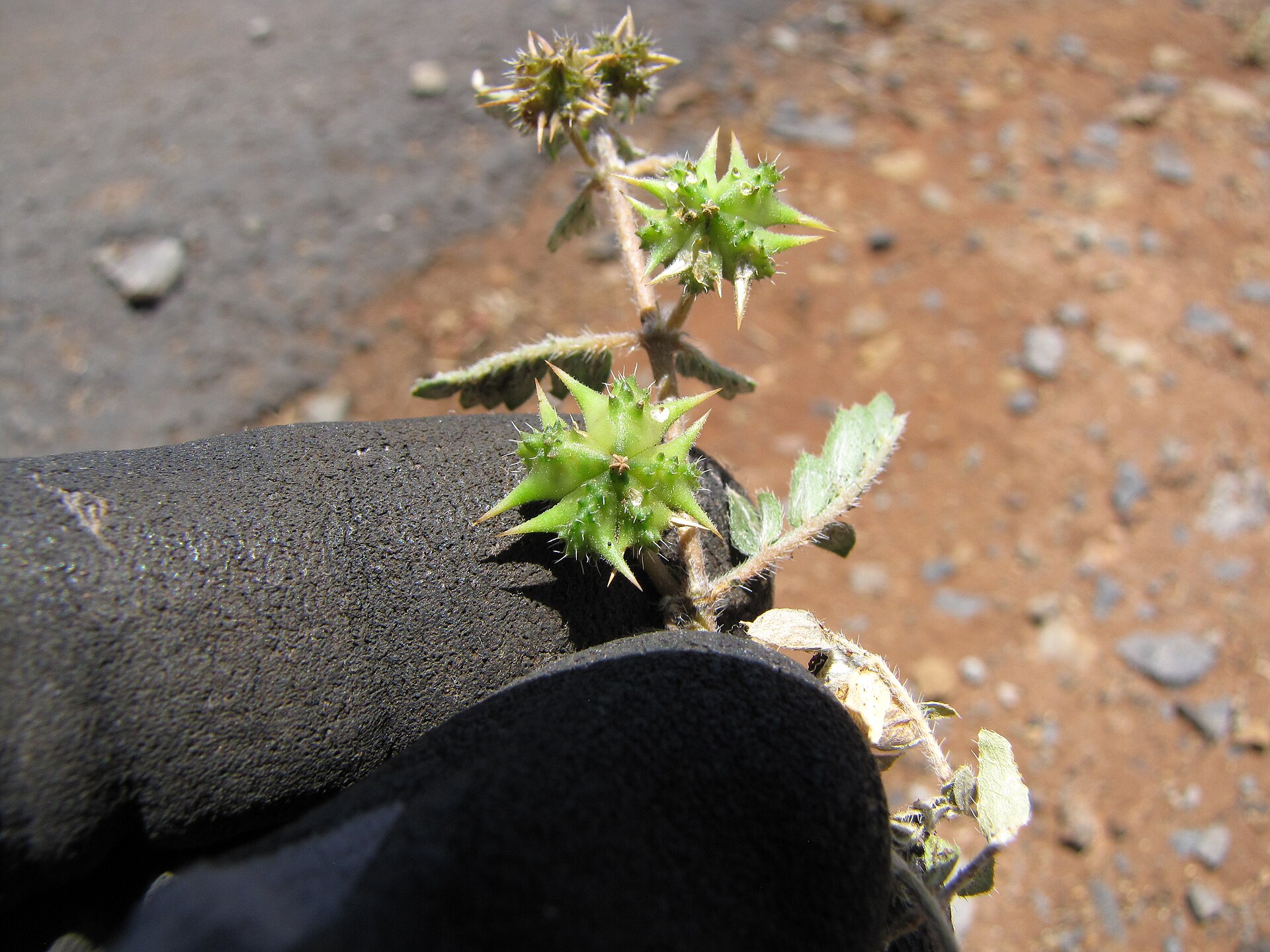
The Goat Heads of Real Estate
Tiny. Annoying. And somehow they always find you. From pre-approval paperwork to the 27-page inspection report, here are the 10 little thorns of buying and selling a home in Utah — and how to avoid stepping on them.
Read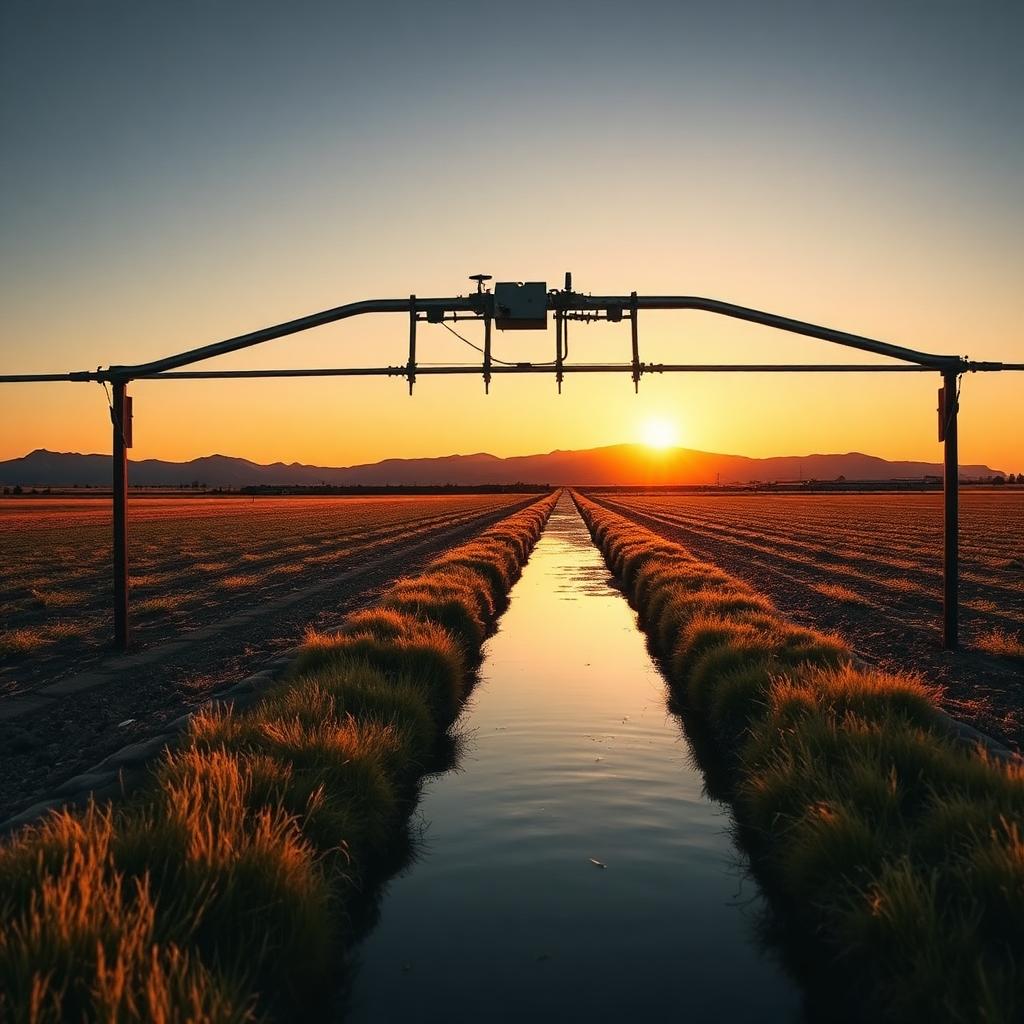
Resources
Utah Water Rights Explained — Deeded Rights, Water Shares, Wells, and What Actually Transfers With the Land
In Utah, water is public property — what you own is the right to divert and beneficially use it. A plain-English guide to deeded rights, appurtenant rights, water shares, culinary and secondary water, wells, and irrigation rights, with real examples for Juab and Utah County.
Read
Resources
Reverse Mortgages in Utah: Myths, Risks and How They Work
Who owns the home? What happens to the equity and the heirs? Dana Hoyt asks reverse mortgage professional Matt Harrison the questions Utah homeowners and their families actually want answered.
Read